
Developing Nations Await Climate Finance Details Amid Funding Uncertainty
Recipient nations face planning hurdles as several industrialised economies delay publishing post-2025 climate finance targets.
Recipient nations face planning hurdles as several industrialised economies delay publishing post-2025 climate finance targets.
The story
Developing countries are experiencing planning difficulties as several major industrialised economies have delayed detailing their strategies for upcoming climate finance. Under agreements established at the Cop29 conference, poorer nations are slated to receive $300 billion annually from wealthy government sources by 2035, alongside approximately $1 trillion from alternative sources, to assist with low-carbon transitions and extreme weather adaptation.
However, multiple wealthy governments have not yet published targets and plans extending past the expiration of their current commitments this year or next. According to reporting from The Guardian, this communication gap hampers the ability of recipient countries to plan effectively and deters potential private sector investment meant to supplement public funds.
Analysis conducted by the Natural Resources Defence Council (NRDC) and E3G indicates that developed nations are broadly on course to achieve the $300 billion annual target, designated as the national collective quantitative goal. Projections suggest funding should reach about $229 billion annually by 2030, with multilateral development banks anticipated to contribute approximately $185 billion of that total.
A closer look
Joe Thwaites, international climate finance director at the NRDC, stated that most countries appear to be in a strong position regarding climate finance availability, but noted a lack of public transparency. Thwaites observed that nations such as the United States, Japan, and Australia have yet to establish formal post-current-target climate finance goals, which has caused concern among the G77 group of developing nations at the Cop31 talks in Antalya, Turkey.
Additional analysis cited by Carbon Brief indicated that a failure to implement new bilateral finance following the expiration of existing targets could lead to a 70 percent reduction in bilateral support from wealthier nations, excluding development banks. Nevertheless, analysts describe such an outcome as highly unlikely, suggesting that most countries will eventually announce new financial commitments.
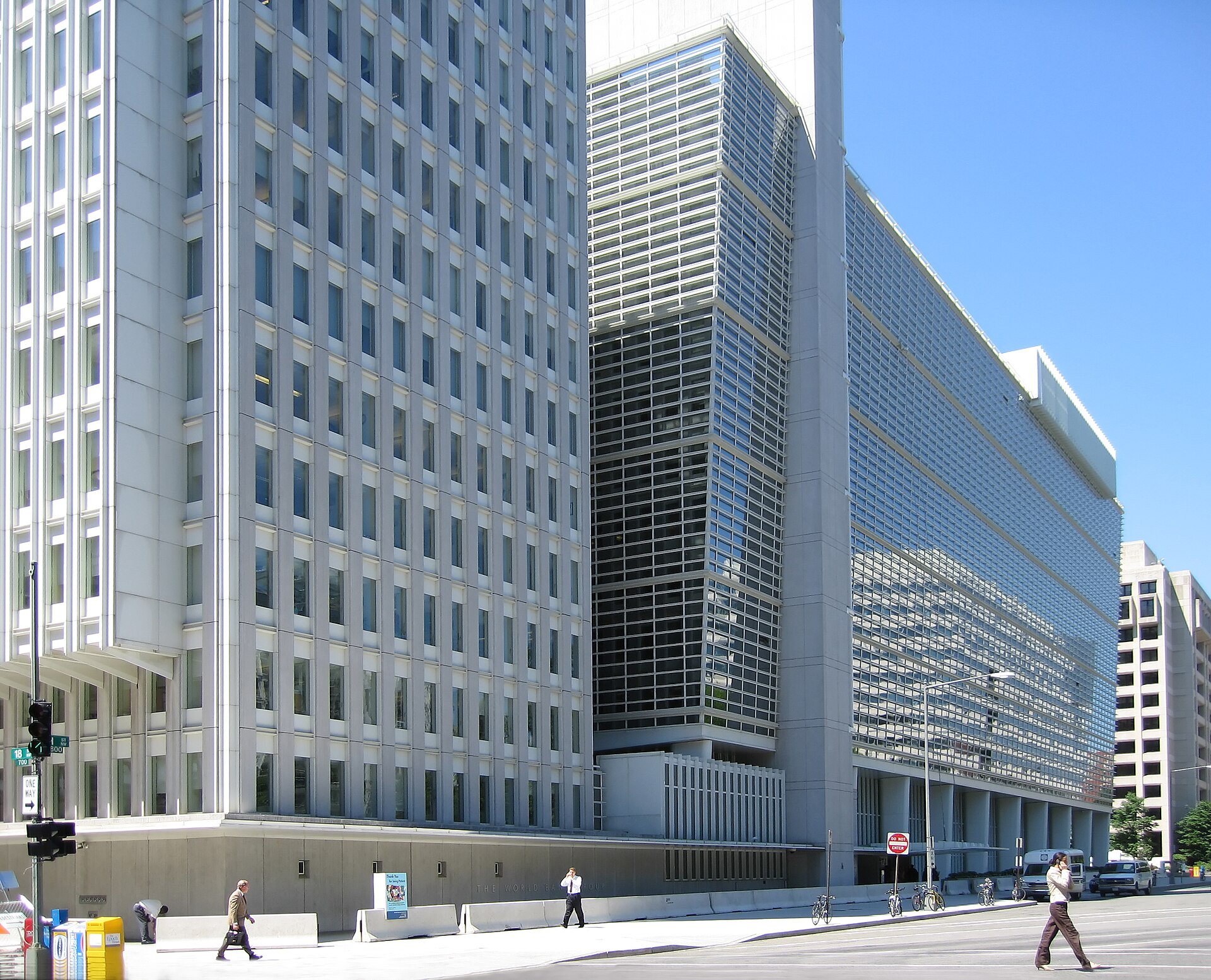
Meanwhile, institutional funding structures are shifting. The World Bank retired its official climate finance target during the summer following pressure from the White House, though it continues to direct tens of billions of dollars annually toward climate-related initiatives. Other development banks are expected to maintain their respective climate financing plans.
This report presents the named publisher’s account and has not yet been independently corroborated.
Continue reading
Defence desk ↗
US House Republicans Defeat Impeachment Resolution Targeting Defense Secretary
Legislators block a 34-page impeachment resolution against Defense Secretary Pete Hegseth, which cited military actions in Iran, Yemen, and Venezuela.

National Desert Shield and Desert Storm Memorial Opens After Decades-Long Advocacy
A Marine veteran's 16-year campaign culminates in the opening of a privately funded memorial on the National Mall honoring Gulf War service members.
US House blocks impeachment resolution against Defense Secretary Pete Hegseth
Lawmakers vote to refer the impeachment articles to a committee, effectively halting the effort introduced by Republican Representative Thomas Massie.