
U.S. Jury Convicts Huawei on Ten Counts Including Trade-Secret Theft and Bank Fraud
A federal jury in Brooklyn found Huawei Technologies guilty on ten of twelve charges, acquitting the company of a racketeering conspiracy.
 Mei Lin · Published · 2 min read
The story
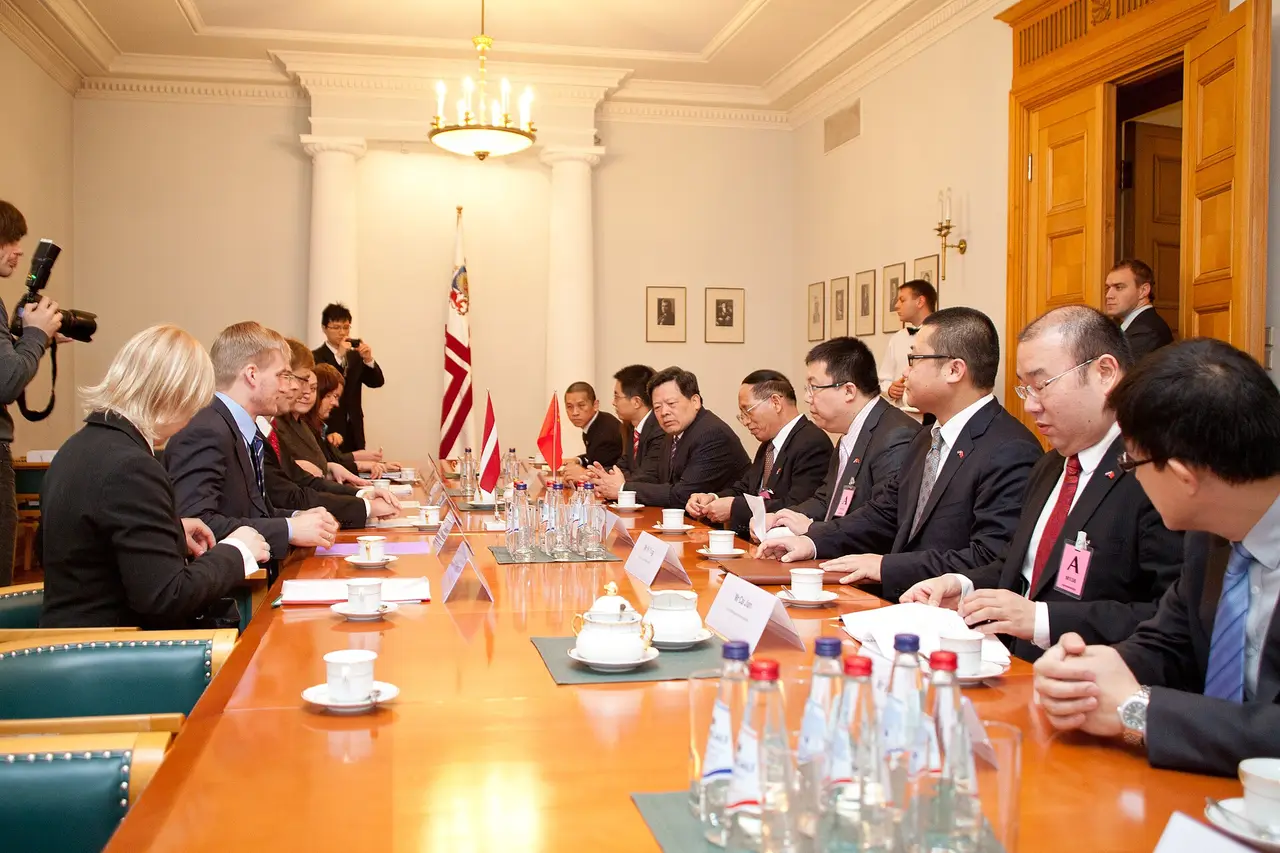
On 24 November 2026 a federal jury in Brooklyn delivered a verdict against Chinese telecommunications firm Huawei Technologies, convicting the company on ten criminal counts that included conspiracy to steal trade secrets and bank fraud. The jury acquitted Huawei of the more serious racketeering conspiracy charge, which required proof that the firm operated as a criminal enterprise.
Prosecutors presented evidence that Huawei employees had allegedly accessed proprietary information from competitors such as Cisco Systems, Motorola Solutions, T-Mobile, Quintel USA and Fujitsu. Specific incidents cited included photographing circuit boards at a Chicago trade show and removing a robotic arm from a rival’s laboratory for measurement. The indictment also alleged that Huawei violated U.S. sanctions by conducting business in Iran and North Korea and that the company made false statements to banks and government officials to conceal those activities.
A closer look
Huawei’s defence team, led by lawyer Brian Heberlig, argued that the prosecution relied on isolated incidents and testimony from former employees with personal grievances. Heberlig contended that much of the alleged stolen material was publicly available and that Huawei had paid substantial licensing fees over the years. The defence maintained that the company’s growth resulted from innovation and hard work rather than illicit conduct.
U.S. Assistant Attorney Meredith Arfa, during closing arguments, emphasized a two-decade pattern of deception and theft, while U.S. Attorney General Todd Blanche praised the work of federal investigators. The Chinese government responded by describing the case as an example of “economic bullying” and pledged to defend Chinese firms’ interests. The verdict’s impact on Huawei’s global operations remains uncertain, as the company continues to sell smartphones and telecom equipment worldwide despite longstanding bans on sales to U.S. carriers and restrictions from other Western allies.
Read the source reports and compare their framing:
Continue reading
World desk ↗
Kilmar Abrego Garcia Arrives in Spain Following Legal Dispute with US Authorities
A Salvadoran man whose mistaken deportation to El Salvador became a central focus of US immigration policy debates has traveled to Madrid after leaving the United States.
Court of Arbitration for Sport restores Senegal as 2025 Africa Cup of Nations champions
A CAS ruling on 24 November 2026 overturns CAF’s decision to strip Senegal of the title after the disputed final against Morocco in Rabat.

Petroleum-laden truck overturns and ignites on Cairo ring road, killing at least 30
Egypt's health ministry reported that a vehicle carrying petroleum products caught fire after overturning on a major ring road in Giza, resulting in 30 deaths and 15 injuries.