
Thirty Dead After Rear‑End Collision of Two High‑Speed Trains Near Toledo
A rear‑end crash on the Madrid‑Andalusia high‑speed line in central Spain killed at least 30 people and halted services while investigators examine signalling failures.
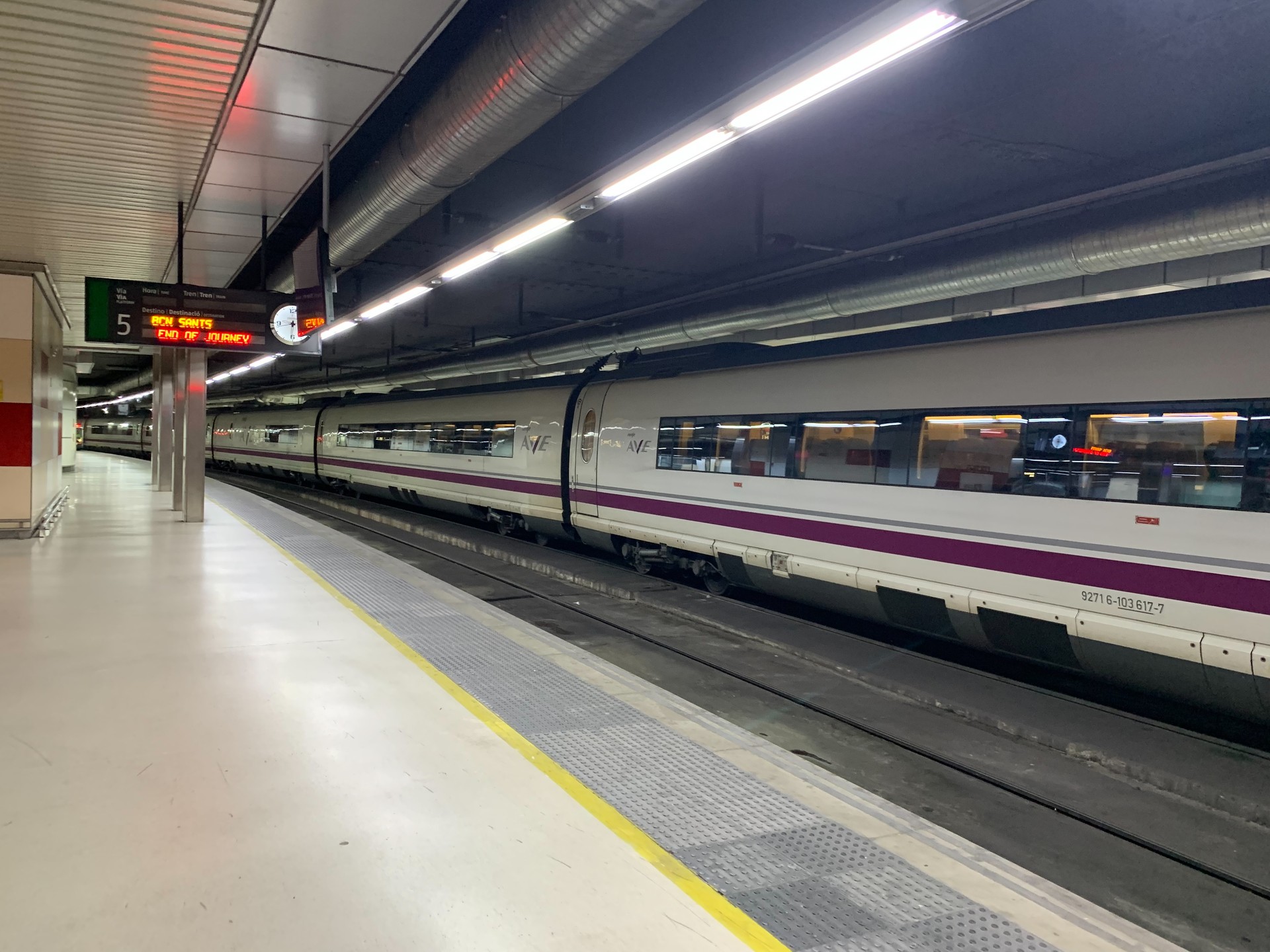
A rear‑end crash on the Madrid‑Andalusia high‑speed line in central Spain killed at least 30 people and halted services while investigators examine signalling failures.
The story
At least 30 people were confirmed dead after two high‑speed trains collided on Wednesday morning on the Madrid‑Andalusia line in the province of Toledo, central Spain. The accident involved an Iryo service and a Renfe AVE train travelling in the same direction; the latter struck the rear of the Iryo train, which had come to a stop on the track.
Regional authorities in Castilla‑La Mancha said the crash occurred on a flat stretch between the towns of Mora and Orgaz, while other reports placed the impact between Urda and Los Yébenes. Video footage showed a derailed carriage hanging over an embankment and twisted metal scattered across the line. The collision forced two carriages to leave the tracks and plunge down the slope.
A closer look
Spanish rail operator Adif announced the suspension of all traffic on the Madrid‑Andalusia high‑speed corridor pending investigation. Health Minister Mónica García reported that emergency crews were focused on rescuing survivors and recovering bodies, and that injured passengers were being taken to hospitals in the surrounding area. Regional spokesperson Esther Padilla warned that the death toll could rise, noting that 147 passengers were aboard the Iryo train and 397 on the Renfe service.
Preliminary findings cited by Spanish newspaper El Mundo indicate that the Iryo train had flagged a failure in its LZB signalling system shortly before the crash, but the following train did not receive the warning. The cause of the stoppage remains under investigation, and officials have not ruled out human error or technical malfunction. Prime Minister Pedro Sánchez expressed shock at the incident and offered solidarity to victims and families.
Read the source reports and compare their framing:
Continue reading
Politics desk ↗
High‑speed trains collide on Madrid‑Seville line, killing at least 30
Two trains travelling north‑south on Spain’s high‑speed network crashed near Urda in Toledo province, leaving dozens dead and prompting a suspension of services between Madrid and Andalusia.

Kylian Mbappé issues apology after meme referencing Mao Zedong sparks brand withdrawals
The French forward’s joke about China’s former leader led to condemnation in Chinese media, the loss of several sponsorships and a formal protest from the China Football Association.

Thai wildlife rescue center sees surge in injured leopard cat cub admissions
The Department of National Parks, Wildlife and Plant Conservation in Khon Kaen reports a sharp rise in rescued leopard cat kittens, attributing the increase to habitat loss and agricultural burning, and outlines its rehabilitation and soft‑release program.