
Spanish Rail Disasters Shift Focus of Upcoming Snap General Election
A deadly train collision that killed at least 69 people has overshadowed Prime Minister Pedro Sánchez’s campaign efforts as the nation enters a period of national mourning.
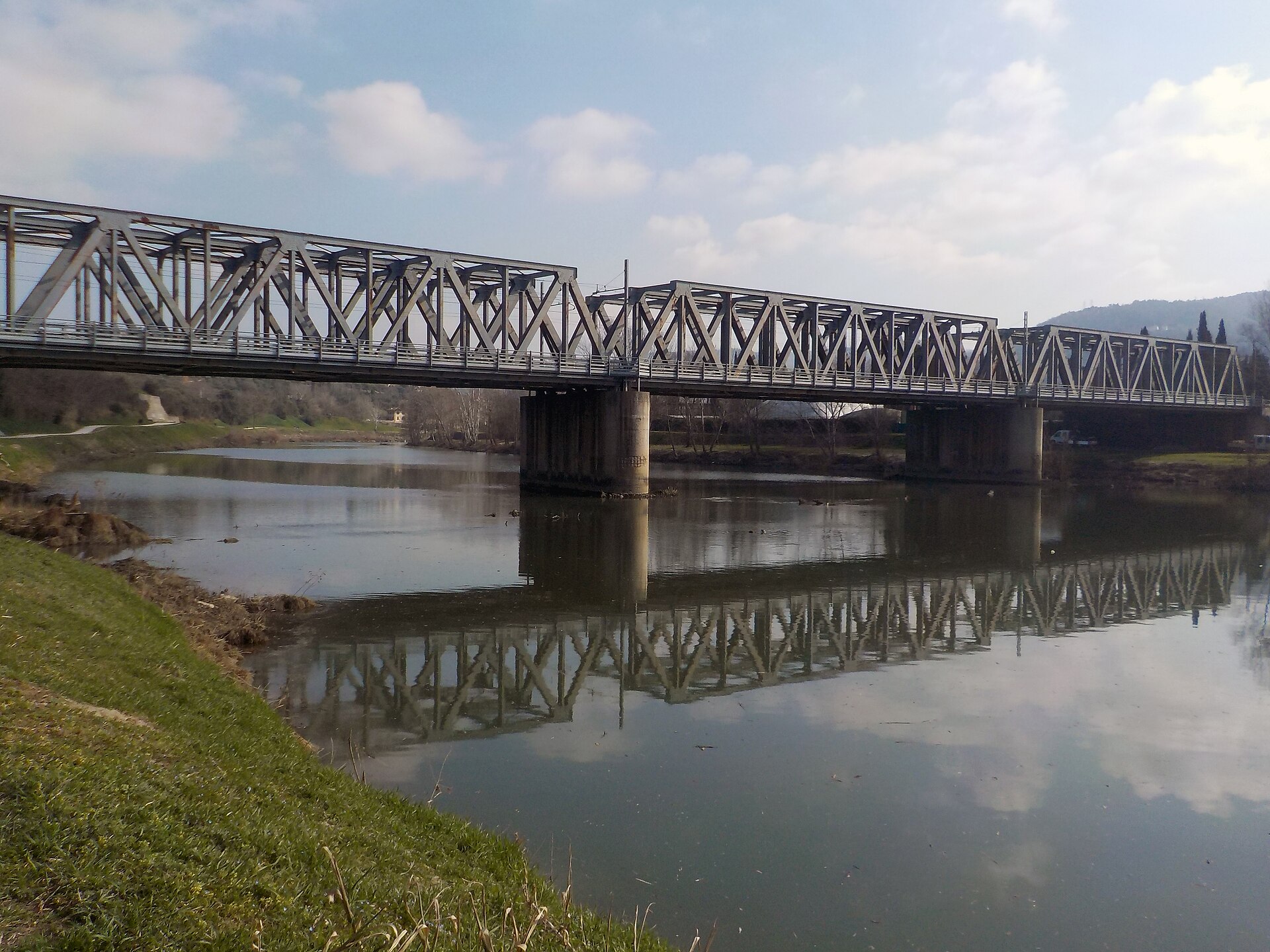
A deadly train collision that killed at least 69 people has overshadowed Prime Minister Pedro Sánchez’s campaign efforts as the nation enters a period of national mourning.
The story
Spain’s upcoming snap general election has shifted focus following a deadly rail collision on the outskirts of Urda that resulted in the deaths of at least 69 people. The accident occurred less than a year after another rail crash on the same line claimed 46 lives in January. Prime Minister Pedro Sánchez called the snap poll after rightwing and far-right parties voted down housing reforms proposed by his coalition government in response to protests.
The disaster has subdued the political posturing typical of recent electoral campaigns in a nation where the extensive high-speed railway network has traditionally served as a source of national pride and vital transportation. Major Spanish newspapers responded to the tragedy with headlines highlighting the frequency of such events, with El País describing the incident as the second high-speed catastrophe in less than a year.
Prior to the crash, Sánchez and the Spanish Socialist Workers’ party faced several political challenges, including housing protests, corruption allegations involving his family and inner circle, and criticism over the government’s handling of a mass crossing into the North African territory of Ceuta over the summer.
A closer look
Pablo Simón, a political scientist at the Carlos III University of Madrid, noted that the accident has a twofold impact by drawing attention to the state of railway infrastructure and pointing to a broader decline in public services. Simón stated that the current administration, in power since 2018, could not attribute the state of the infrastructure to its People’s party predecessor due to past austerity cuts.
In response to the tragedy, Sánchez described experiencing two high-speed rail disasters in less than a year as unacceptable and pledged to strengthen safety measures. Political opponents have criticized the administration's response, with People’s party leader Alberto Núñez Feijóo stating that responsible politicians must be held to account and that the current style of management cannot continue.
This report presents the named publisher’s account and has not yet been independently corroborated.
Continue reading
Politics desk ↗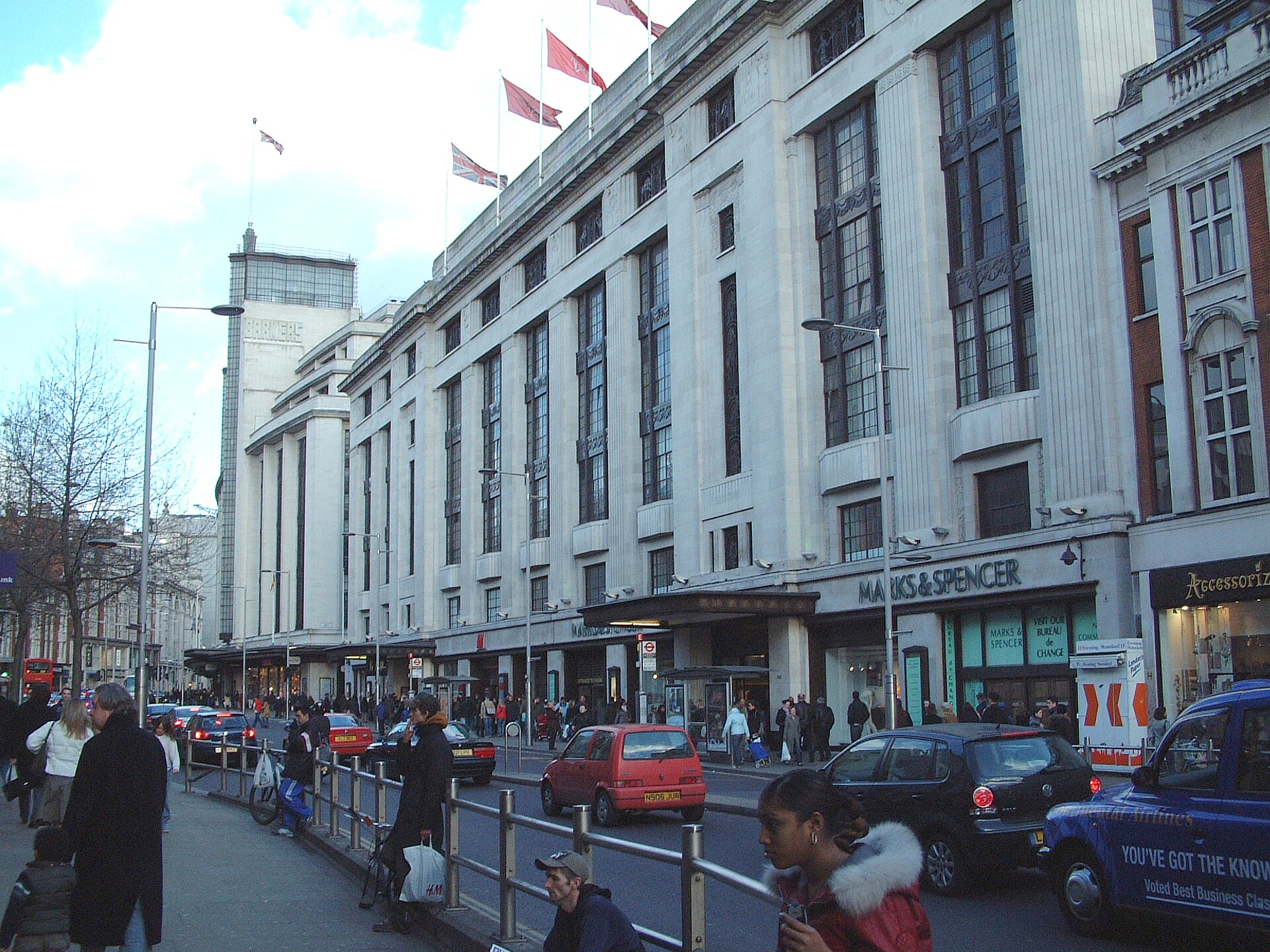
UK Government Pledges High Street Revival Prior to Next Election
Housing Secretary Angela Rayner asserts that voters will notice improvements in local shopping districts ahead of the upcoming general election.
Darwin City Council and NT Government Clash Over Christmas Pageant Exclusion
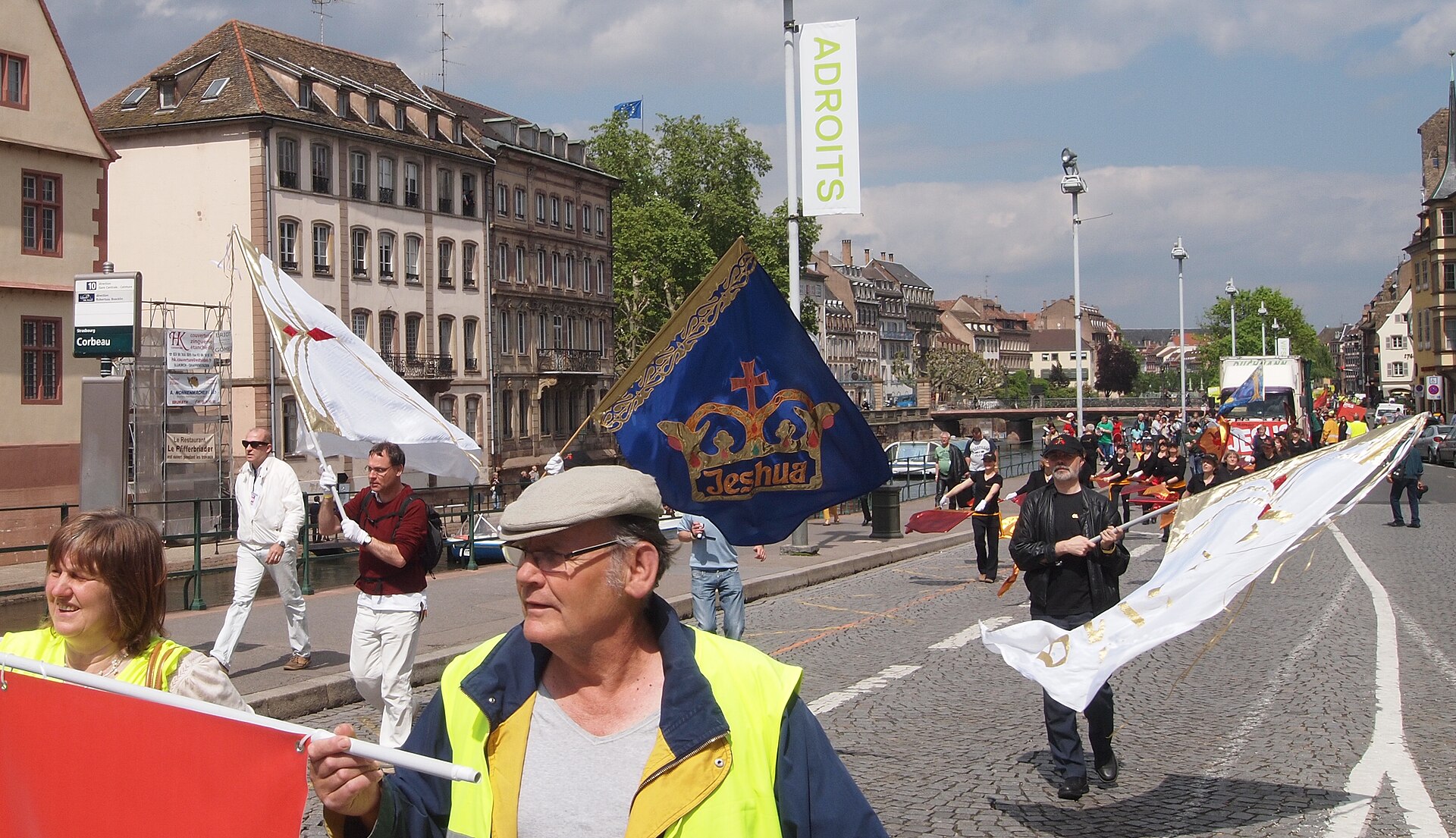
A dispute over a Christian group's exclusion from the 2026 Darwin Christmas Pageant has drawn a rebuke from the Northern Territory government and sparked a public disagreement.
US Defense Department Advises Baltic Nations to Moderate Public Statements on Russia
Pentagon representatives reportedly ask Lithuania, Latvia, and Estonia to exercise caution in their public commentary concerning Moscow.