Ban ‘intrusive’ cameras in England’s mental health wards, say bereaved families
Families of mental health patients call for ban on intrusive camera system

Families of mental health patients call for ban on intrusive camera system
The full report
Lawyers representing bereaved families have called for the ban of an 'intrusive' camera monitoring system used in half of England's mental health wards. The Oxevision system, which uses infrared cameras, has been linked to the deaths of five patients in two years at the Essex Partnership University NHS foundation trust.
The inquiry into mental health deaths in Essex, led by Lady Lampard, has heard harrowing evidence of avoidable self-harm and suicides at the trust and predecessor NHS organisations. Lawyers for the families said 'patients' lives are at stake' due to the continuing use of Oxevision.
The lawyers, representing over 70 bereaved families, including those of Elise Sebastian and Sophie Alderman, have urged Lady Lampard to recommend the national ban of Oxevision on mental health inpatient wards. They argue that the system's harms have fallen hardest on detained, traumatised, and neurodivergent patients.
The lawyers have also called for mandatory life-saving training for all mental health staff and the suspension of Oxevision. They argue that the remote system has frequently prevented vital in-person care and has created a 'coercive power imbalance on psychiatric wards' between patients and staff.
The inquiry's own statisticians have found no evidence to support the effectiveness of Oxevision, according to lawyers. They have also disputed claims made by the system's manufacturer, Lio, that it is effective, saying they are based on 'nothing more than unverified anecdote'.
This report presents the named publisher’s account and has not yet been independently corroborated.
Continue reading
Lifestyle desk ↗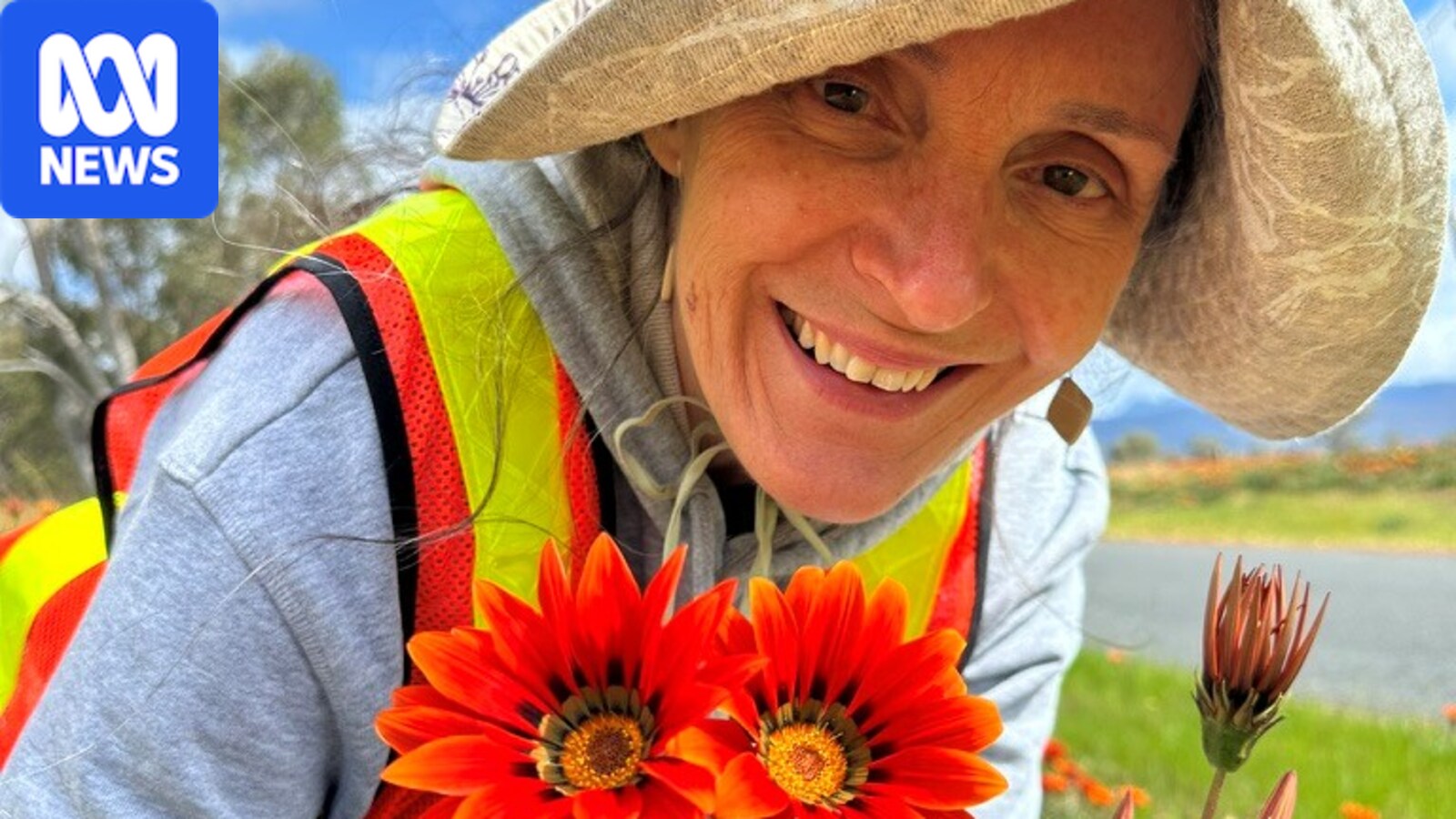
How to deal with spring weeds before they take over your garden
Gardeners beware: spring is peak season for weeds.

‘Like being in a vortex’: US report details extent of ‘devastating’ dating-app scams
US report details devastating impact of dating-app scams
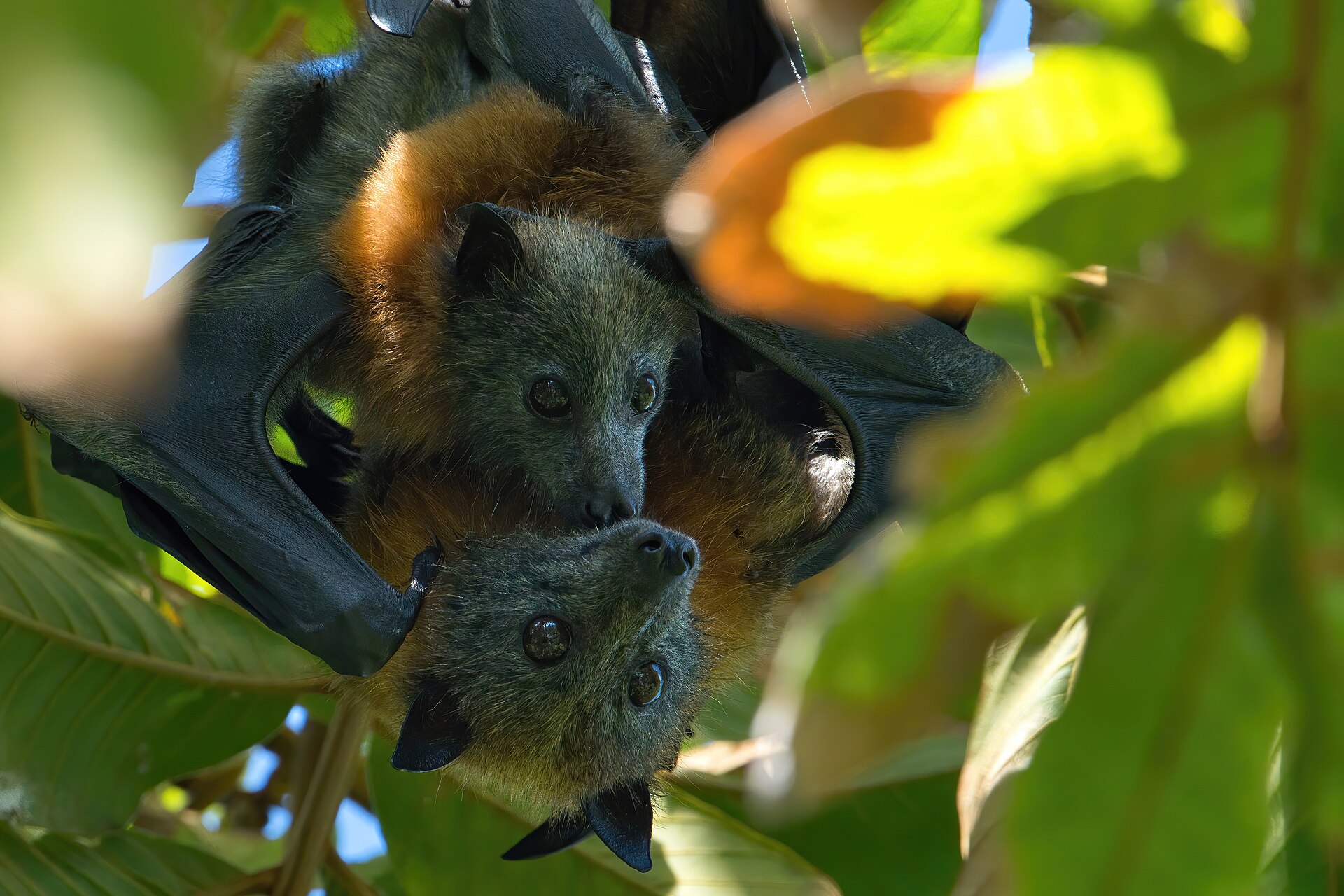
Archie the flying fox joined Richard Morecroft behind the news desk
After Richard Morecroft's death, an ABC account recalls the broadcaster's work fostering an orphaned flying fox named Archie.