
Conservation Fund Secures 50,000 Acres to Protect Pacific Walrus Haulouts in Northwest Alaska
A partnership between the Conservation Fund and the Cully Corporation will protect barrier islands used by over 200,000 Pacific walruses each fall as sea-ice loss forces the animals onto land.
 Luca Moretti · Published · 2 min read
The story
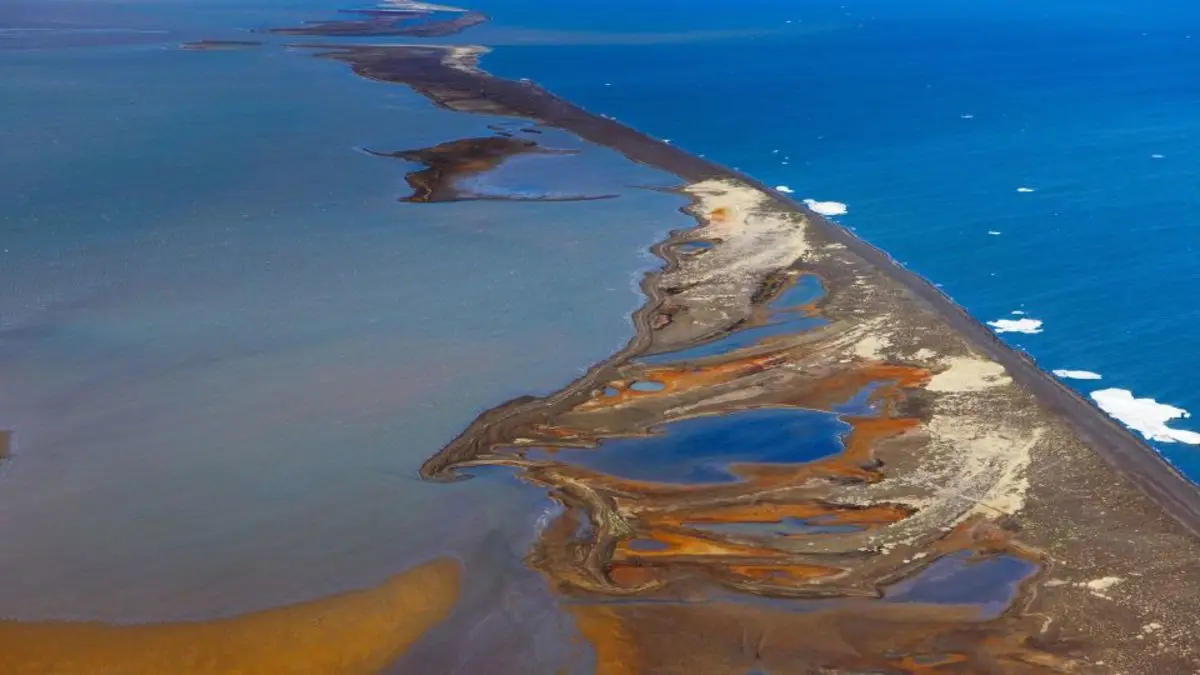
Each autumn, more than 200,000 Pacific walruses gather on barrier islands near Point Lay, Alaska, forming a dense haulout on the Chukchi Sea coast. The congregation, described by observers as noisy and visually striking, reflects a shift in the species’ habitat use as sea-ice cover declines.
Scientists note that the walruses have relied on stable Arctic sea ice for decades to rest, give birth and nurse young. Over the past twenty years, the extent and duration of winter pack ice in the Bering and Chukchi seas have decreased, prompting the animals to seek land-based haulouts when ice retreats beyond the shallow continental shelf.
A closer look
On Wednesday, the Conservation Fund announced an agreement with the Cully Corporation, an Alaska Native Village Corporation that owns the relevant land, to protect nearly 50,000 acres of the barrier islands and surrounding habitat. The arrangement includes a financial payment to the corporation intended to support local community stability while restricting resource development on the protected area.
Larry Selzer, president and CEO of the Conservation Fund, said the model allows economic use of the land to continue alongside wildlife protection. Willard Neakok, chairman of the Cully Corporation board, emphasized the cultural importance of walruses to Inupiaq communities and expressed support for preserving the habitat for future generations.
This report presents the named publisher’s account and has not yet been independently corroborated.
Continue reading
Environment desk ↗
Bhutan Receives Earthshot Prize for Forest Conservation and Landscape Restoration
The Himalayan kingdom was awarded a $1.3 million prize in the “Protect and Restore Nature” category and will use the funds to expand its Restore Bhutan program.
Global Fossil Fuel Emissions Projected to Drop Slightly Amid Renewable Growth and Conflict
A comprehensive scientific assessment indicates that fossil fuel emissions will decline slightly in 2026, driven by renewable energy expansion and geopolitical conflict, though researchers caution that the trend may be temporary.

Global Leaders Gather in Antalya for COP31 Climate Negotiations
Delegates from around the world have convened in Turkey for the United Nations’ 31st Conference of the Parties, focusing on implementation and existing commitments rather than sweeping new agreements.