Why former FDLR fighters are returning to Rwanda
Former FDLR fighters face challenges in rebuilding their lives after leaving the armed group.
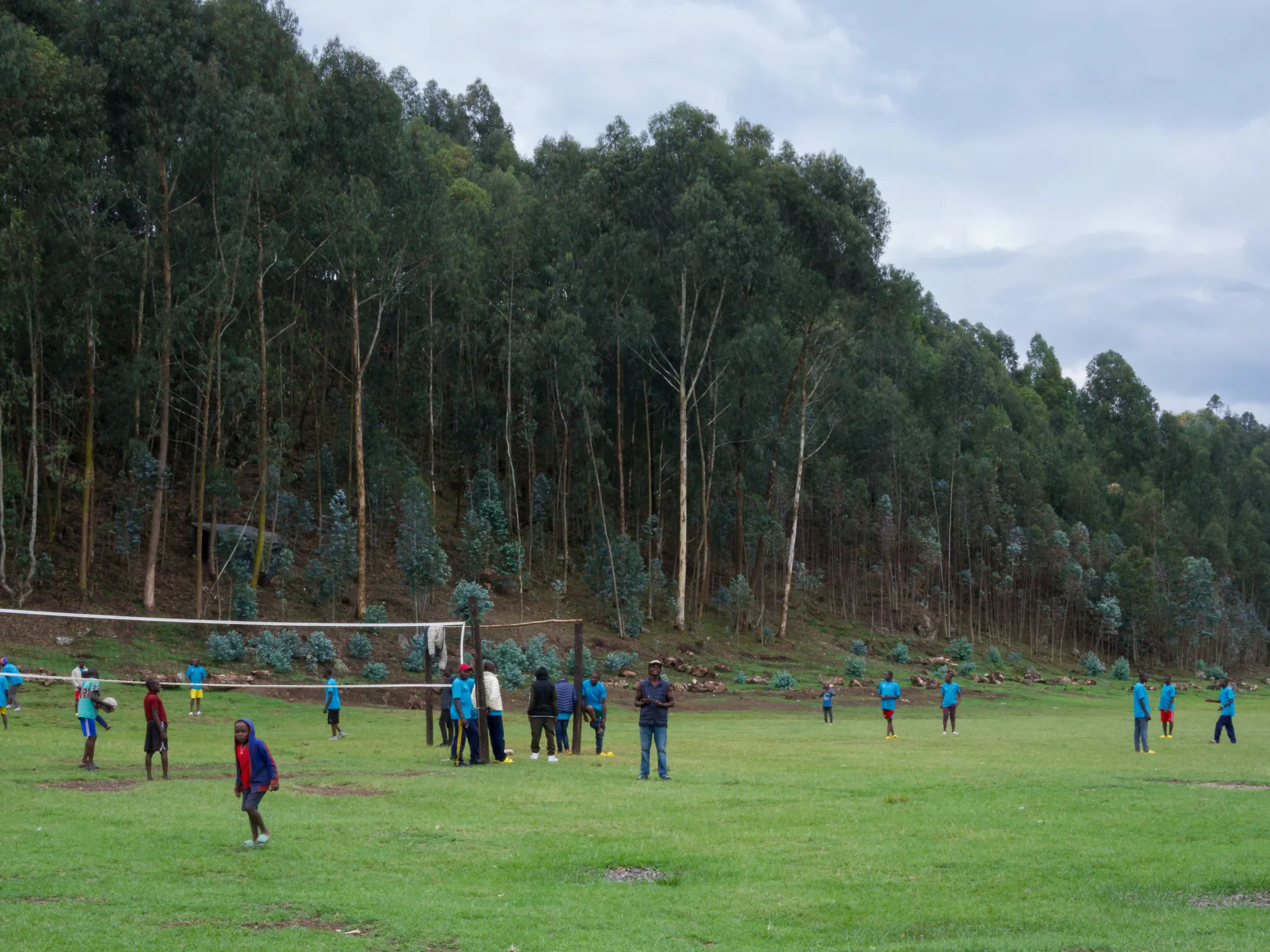
Former FDLR fighters face challenges in rebuilding their lives after leaving the armed group.
The full report
From the forest to Mutobo, former fighters face the challenge of rebuilding their lives after leaving the armed group. Musanze, Rwanda – Jean Claude Hategekimana feared that returning to Rwanda could cost him his life. After years with the Democratic Forces for the Liberation of Rwanda (FDLR), he decided to leave the armed group and return home. At Rwanda’s Mutobo Demobilisation and Reintegration Centre, he began preparing for civilian life. Born in 1996 in Rutsiro District, in western Rwanda, Hategekimana moved to the Democratic Republic of the Congo (DRC) with his parents and grew up in an area controlled by the FDLR. He joined the group in 2018, underwent military training and eventually reached the rank of captain.
Hategekimana said FDLR members had been taught that anyone who returned to Rwanda would be killed. “Upon arriving in Rwanda, I realised that the FDLR had been lying to us. For me, returning home felt like embarking on a suicide mission,” he said. His experience illustrates the challenge of reintegrating former fighters whose beliefs and fears have been shaped by years in an armed group.
Francis Musoni, secretary-general of the Rwanda Demobilisation and Reintegration Commission, said the Mutobo centre, located in Musanze in Rwanda’s Northern Province, was established in 2001 to receive members of the FDLR and other Rwandan armed groups returning from the DRC. The FDLR emerged in the aftermath of the 1994 genocide against the Tutsis. After the genocide, members of the former Rwandan armed forces and militia groups fled to what was then Zaire, now the DRC. The Rwandan government accuses the FDLR of carrying out attacks against Rwanda and contributing to cross-border insecurity.
The centre also allows visitors and media representatives to meet returnees. Musoni said those undergoing rehabilitation can visit their communities for short periods to help rebuild their confidence in returning home. “They can travel to their communities [during rehabilitation]. They are given written permission for a week or two, and we even facilitate transport,” he said. For the former commanders interviewed by Al Jazeera at Mutobo, the decision to leave the FDLR was shaped by family ties, disillusionment and concerns about personal safety.
This report presents the named publisher’s account and has not yet been independently corroborated.
Continue reading
Defence desk ↗
Carrick wants more clean sheets to turn season around
Manchester United's Michael Carrick seeks improvement in clean sheets.

Sudan drone strike kills around 150 in Abyei market
Drone strike kills over 150 in Abyei market

Morning Mail: Alleged Haines attacker to face court; a meaty trade issue; and an ‘extraordinary’ Beatles museum
Brendan Nugent to face court over alleged attack on Helen Haines, trade talks with EU stall, and a Beatles museum opens in Liverpool.