
Key Figures and Complex Dynamics Shape Upcoming Climate Negotiations in Türkiye
As international delegations gather in Antalya for the Cop31 climate summit, a combination of political pressures, fossil fuel export scrutiny and renewable energy initiatives will frame the discussions.
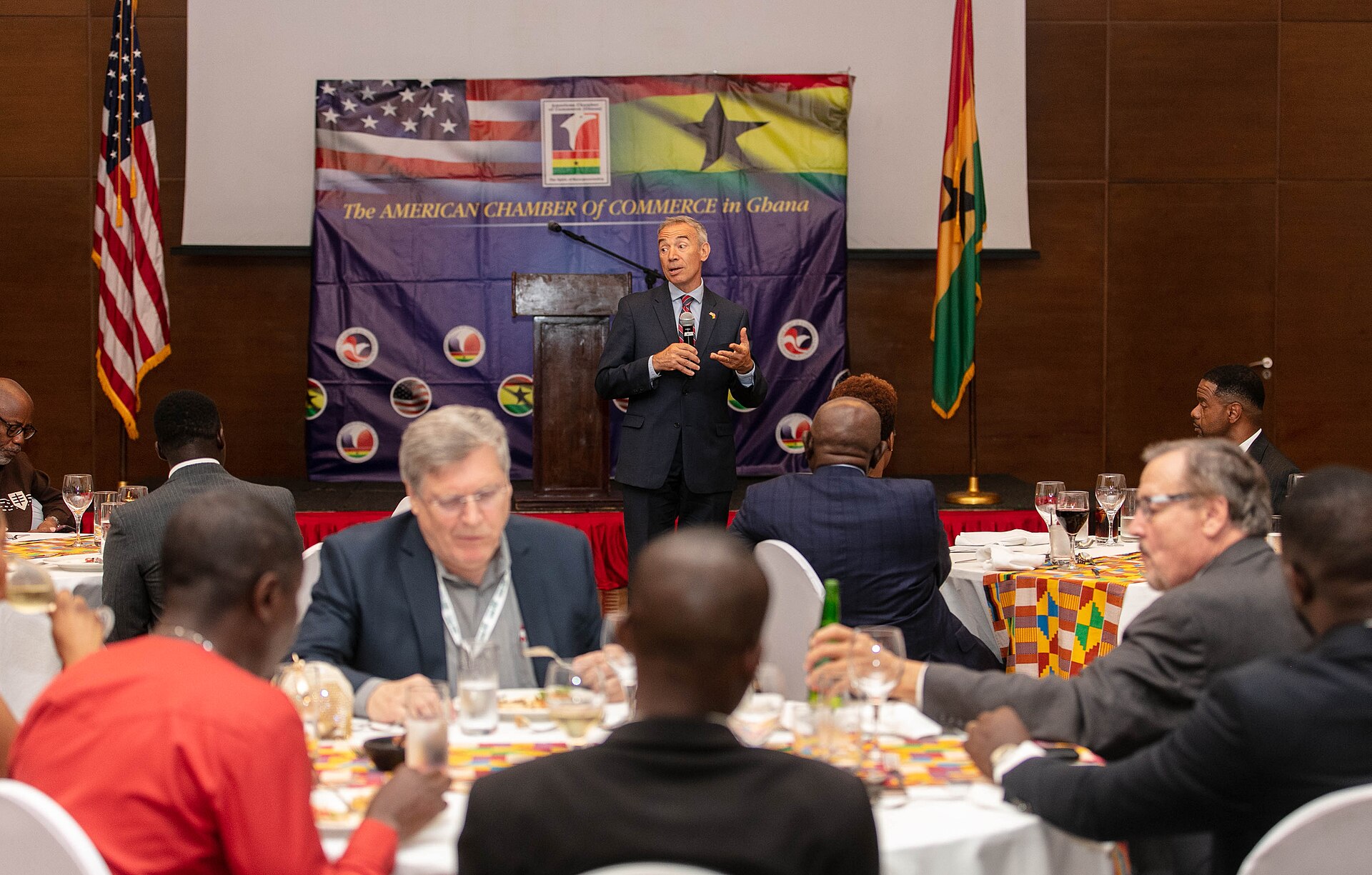
As international delegations gather in Antalya for the Cop31 climate summit, a combination of political pressures, fossil fuel export scrutiny and renewable energy initiatives will frame the discussions.
The story
Delegates from around the globe are converging on the Turkish city of Antalya for the Cop31 climate summit, where negotiations will be managed under a shared arrangement following a dispute over the hosting rights. Prime Minister Anthony Albanese originally pledged to bid for the event in 2021 during his time in opposition, leading to a compromise that placed Australia in charge of negotiations while Turkey retains control of the action agenda through Environment Minister Murat Kurum.
The summit arrives amid heightened scrutiny over global emissions. A recent United Nations report indicated that surface temperatures are tracking toward a 1.5-degree Celsius increase above pre-industrial levels by 2030, prompting calls for nations with the greatest responsibility to act most swiftly. For Australia, the timing coincides with domestic policy developments, including the approval of an open-cut coal mine expansion in Queensland's Bowen Basin and the initiation of gas extraction from the Beetaloo Basin.
While Prime Minister Albanese maintains that Australia holds a strong international standing on climate action, journalists have questioned the compatibility of new fossil fuel projects with decarbonisation goals. Climate and Energy Minister Chris Bowen will oversee daily negotiations for Australia, navigating the dual responsibilities of managing fossil fuel supply interests alongside substantial investments in renewable energy, such as expanding domestic solar power.
A closer look
Turkey's government has utilised its role to advance specific domestic initiatives, including a circular economy program promoted by Emine Erdoğan aimed at reducing waste and encouraging recycling. Meanwhile, international figures are bringing prominent proposals to the conference. Brazilian President Lula da Silva is expected to introduce non-binding roadmaps detailing steps for transitioning away from fossil fuels and halting deforestation during his first overseas trip following his recent election victory.
Other major global players will influence the summit despite varying levels of personal attendance. Chinese President Xi Jinping is not scheduled to attend in person, though top officials will represent the world's second-biggest economy and largest greenhouse gas emitter. China's industrial trajectory, alongside advisory contributions from International Energy Agency head Fatih Birol regarding industrial electrification, will form a backdrop for discussions on global energy transitions.
Read the source reports and compare their framing:
Continue reading
Politics desk ↗
US Intelligence and FBI Probe Nvidia CEO Over Relationship With Alleged Chinese Spy
Nvidia CEO Jensen Huang faces investigations by the FBI and his company's board following disclosures of an extramarital relationship with a woman accused of intelligence activities for China.
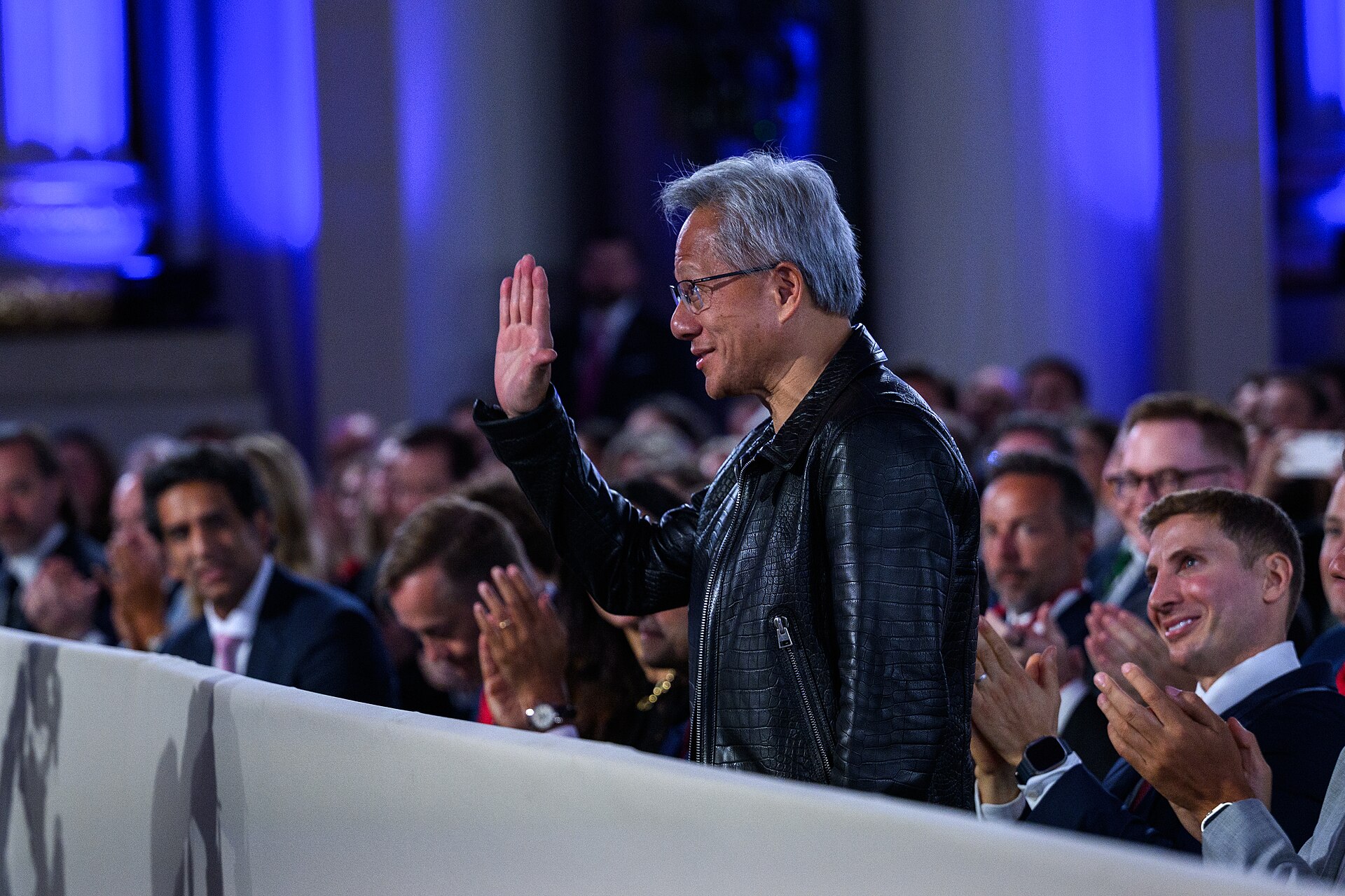
Trump claims FBI is probing Nvidia CEO’s relationship with alleged Chinese spy
The president said he spoke with Jensen Huang after reports that U.S. officials suspect the Nvidia chief of ties to a suspected Chinese intelligence operative; Nvidia has launched its own review and shares fell about 4% on the news.
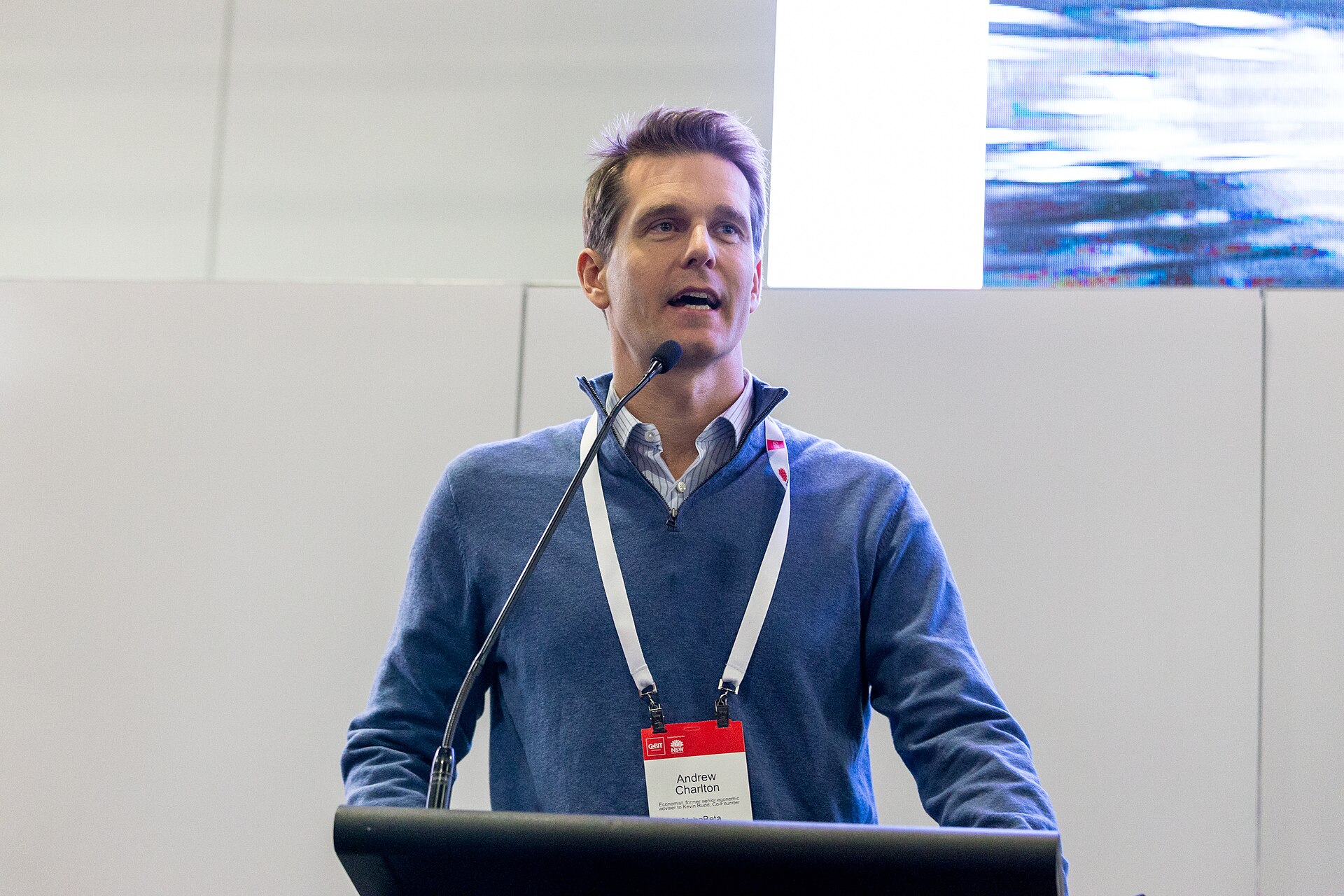
Labor cabinet secretary downplays speculation about Treasury reshuffle
Andrew Charlton said he is focused on his current portfolio and praised Treasurer Jim Chalmers amid media reports of a possible cabinet change.