What does Israel's election mean for Gaza and the wider world?
Israelis are voting in a pivotal election, with incumbent Benjamin Netanyahu in a near neck-and-neck race with former military chief Gadi Eisenkot to become prime minister.
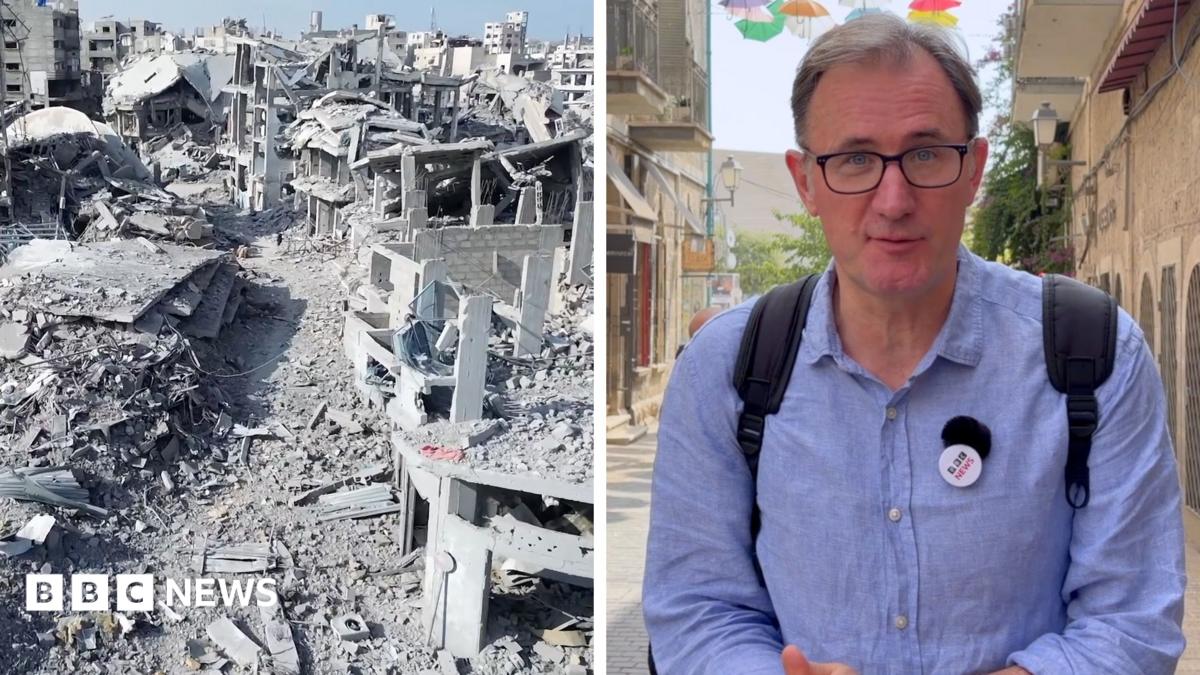
Israelis are voting in a pivotal election, with incumbent Benjamin Netanyahu in a near neck-and-neck race with former military chief Gadi Eisenkot to become prime minister.
The story
Israelis are voting in what many view as one of the most pivotal elections in the country's history. Polling published on Friday suggests incumbent Benjamin Netanyahu is in a near neck-and-neck race with former military chief Gadi Eisenkot to become prime minister.
The BBC's diplomatic correspondent James Landale reports from Jerusalem that the two rivals have different stances on foreign policy, which could have significant implications for Gaza and the occupied West Bank.
According to the BBC, Netanyahu's policies have been criticized for being overly aggressive towards Gaza, while Eisenkot has taken a more measured approach.
A closer look
The outcome of the election will have far-reaching consequences for the wider world, with the Middle East peace process and global security being major concerns.
The BBC's James Landale notes that the election is not just about domestic issues, but also about the country's role in the region and its relationships with other nations.
The results of the election are expected to be announced in the coming days, and the world will be watching to see how the new government will shape Israel's foreign policy and its approach to Gaza and the occupied West Bank.
This report presents the named publisher’s account and has not yet been independently corroborated.
Continue reading
Defence desk ↗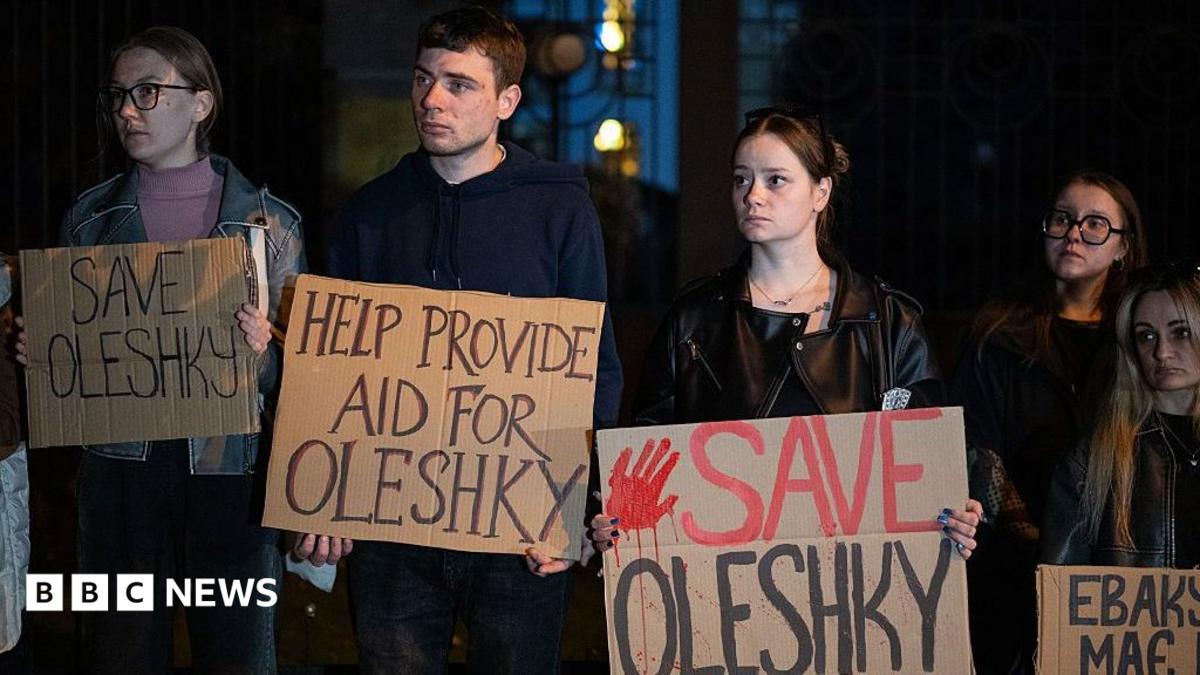
Truce begins in Ukraine city where residents ate weeds to survive
A truce has begun in the Russian-occupied Ukrainian city of Oleshky, where residents have been trapped without food, water and electricity, and have resorted to eating weeds to survive.
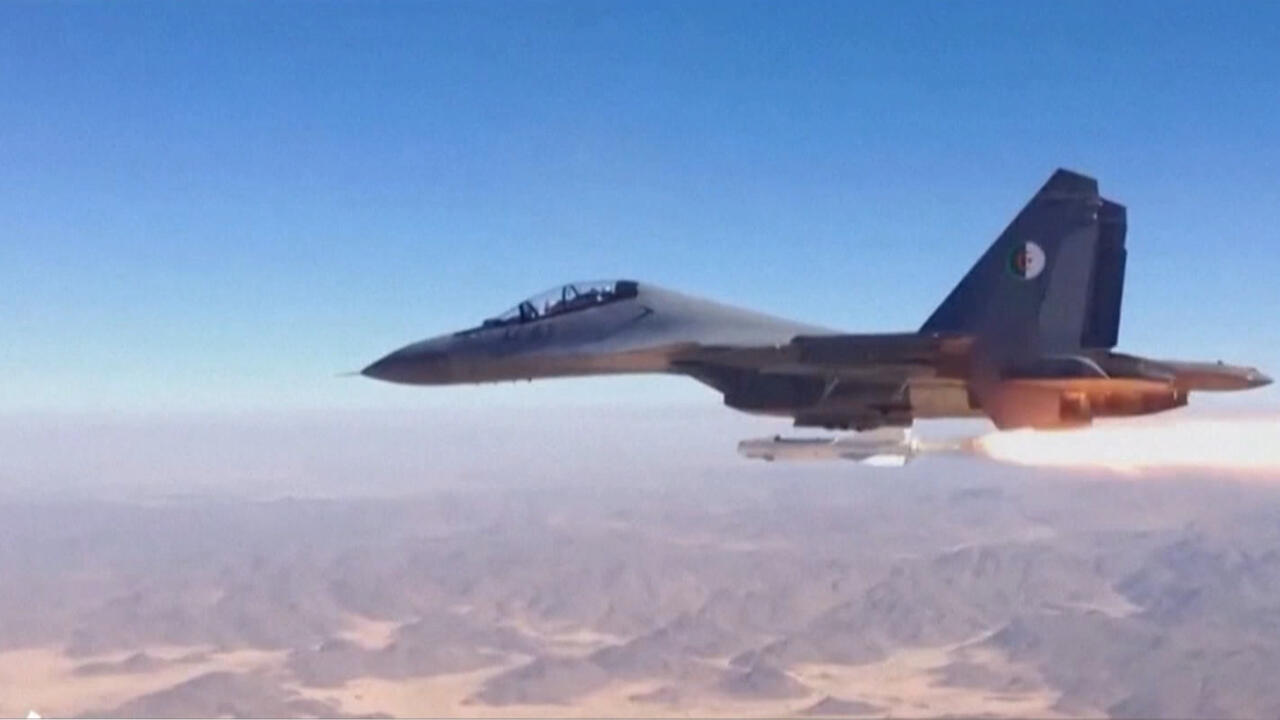
Algeria to deploy army units to Niger to protect economic interests
Algeria to deploy army units to Niger to protect economic interests
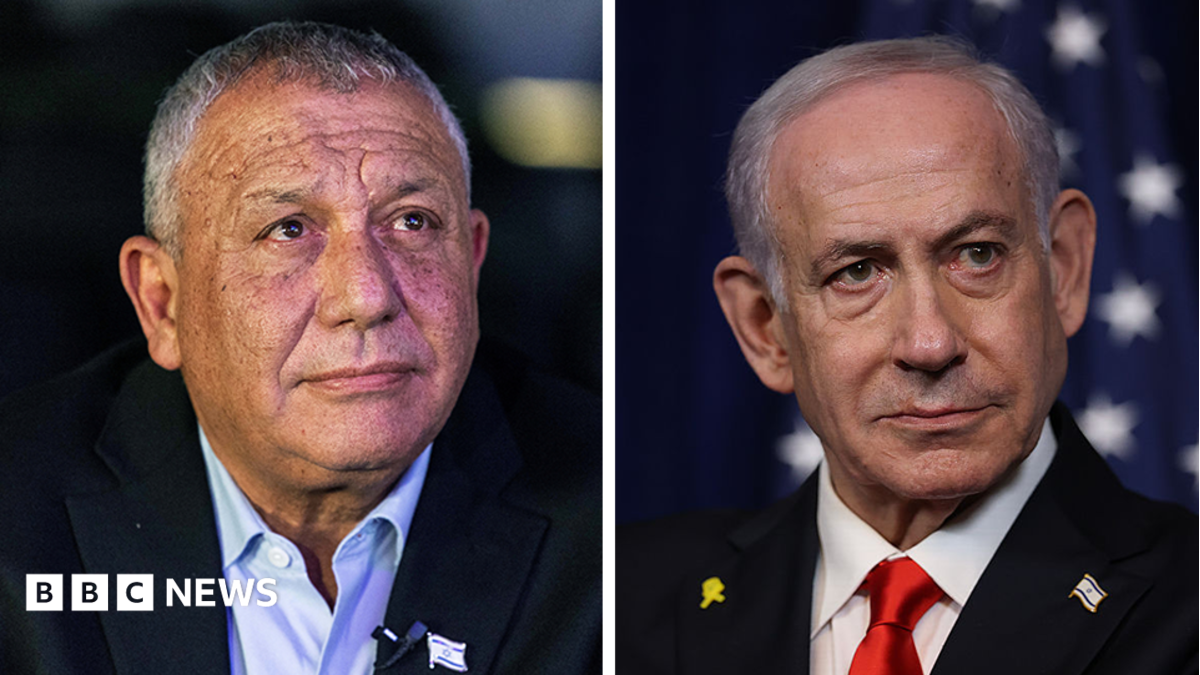
Turnout so far highest in decades as Israelis vote in pivotal election
Israelis vote in pivotal election with turnout at its highest in decades.