
Stacey Dooley Explores Kangaroo Island in New Travel Documentary
Presenter Stacey Dooley visits Kangaroo Island in South Australia for a new Channel 4 documentary series, examining local recovery efforts following past bushfires.
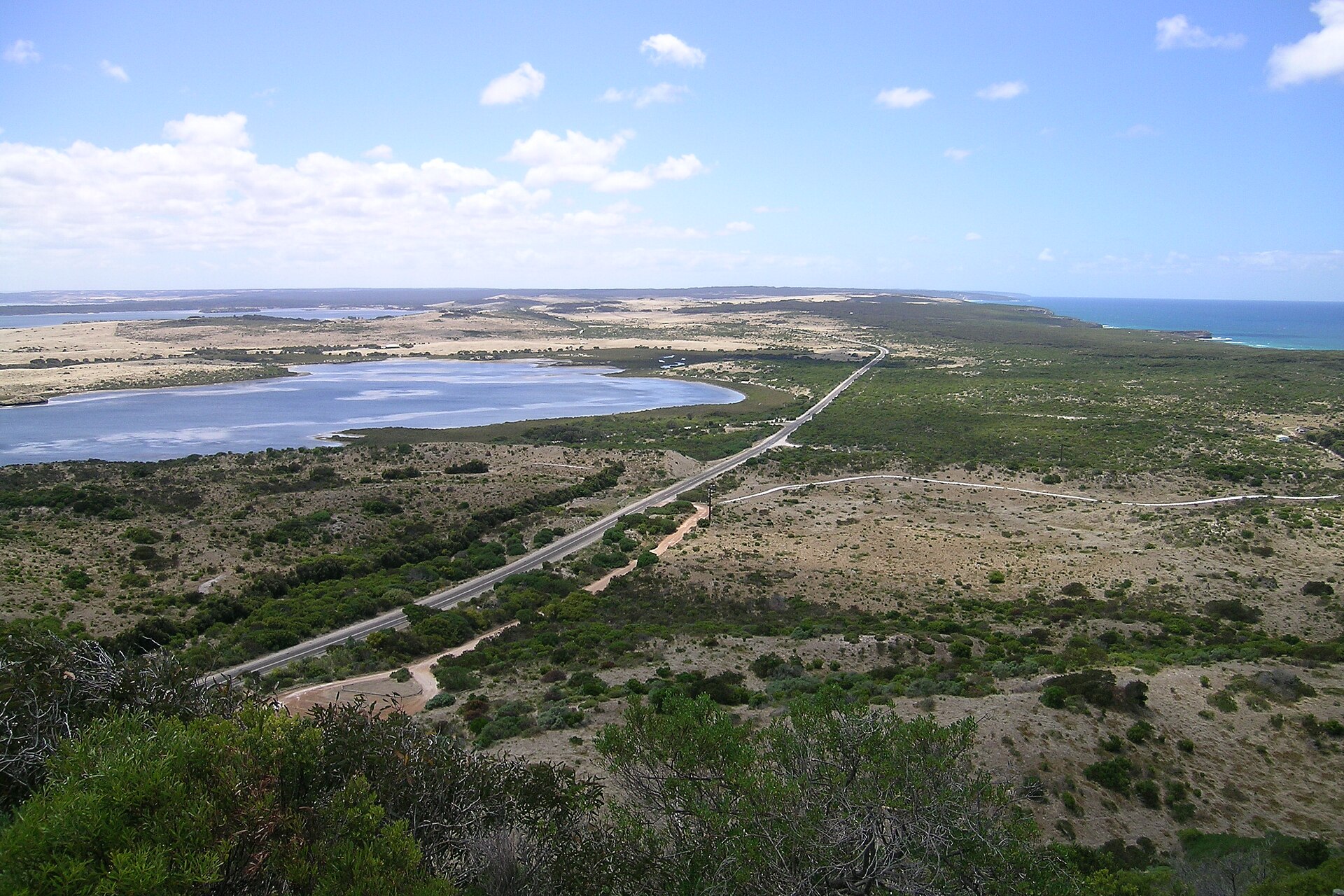
Presenter Stacey Dooley visits Kangaroo Island in South Australia for a new Channel 4 documentary series, examining local recovery efforts following past bushfires.
The story
Presenter Stacey Dooley has ventured to Kangaroo Island in South Australia for the Channel 4 travel documentary series Stacey Dooley’s Australia: Off the Beaten Track. The program explores the island's communities as they continue to rebuild following severe bushfires that destroyed half of the region seven years ago.
During her visit, Dooley stops at Kangala Kangaroo and Wildlife Rescue, an organisation established during the fires by Lisa and Jared Karran. The rescue founders cared for orphaned animals including kangaroos, koalas, wallabies and possums. Lisa Karran shared accounts of kangaroo mothers who shielded their offspring from the flames, sustaining fatal injuries to their feet while keeping their young safe.
The documentary also features interviews with local residents affected by the disaster, including Ben, a sheep farmer who lost his home and flock to the inferno. Dooley examines smartphone footage of the fire's aftermath during her conversation with the farmer. Later segments of the journey follow the presenter as she participates in a boat trip to swim with local seal populations off the coast of the island.
A closer look
The series marks a shift for the investigative reporter, who is known for previous documentary work covering international social issues and trauma on BBC networks, alongside ongoing projects handling topics such as murder, suicide and addiction.
Review coverage from The Guardian noted that the lighter, personality-driven format presents different challenges for the presenter compared to investigative reporting, observing that the inoffensive schedule-filler relies on personal encounters and local landscapes.
This report presents the named publisher’s account and has not yet been independently corroborated.
Continue reading
Defence desk ↗
US Defense Secretary Pete Hegseth Faces Impeachment Push in Congress
Republican congressman Thomas Massie has introduced eight articles of impeachment against Defense Secretary Pete Hegseth, initiating a House vote amid growing pressure.

Judge Rejects Dismissal Bid, Clearing Path for Retrial in Massachusetts Child Murder Case
A Massachusetts judge has denied a defence motion to dismiss murder charges against Lindsay Clancy, ruling that a retrial does not violate double jeopardy following a deadlocked jury.

US Lawmaker Seeks Answers Following Investigation Into Nvidia Chief Executive
Congressional leaders are calling for information and legislative action regarding security concerns involving Nvidia, while Chinese authorities reject accusations of espionage.