Secrets, lies and a shock A-list cameo: how You Can See Everything became the film of the year
Nathan Fielder's documentary on Elizabeth Holmes has become a sold-out smash hit and might make Oscars history.

Nathan Fielder's documentary on Elizabeth Holmes has become a sold-out smash hit and might make Oscars history.
The full report
Nathan Fielder's secretive Elizabeth Holmes documentary, You Can See Everything, has become a sold-out smash hit and might make Oscars history. The film, directed by Fielder and Lance Oppenheim, follows Holmes, the unblinking fabulist of Theranos infamy, in the run-up to her prison sentence for fraud.
The documentary takes place entirely in 2023, when Fielder and his crew embedded with Holmes, her husband, Billy Evans, and their two small children. The film shows Fielder attempting to puncture Holmes's indomitable facade of faultlessness, but it's not exactly comedic, and can be quite funny.
The first half of the movie resembles the pull of an internet wormhole, where the closer you zoom in on a subject, without outside context, the more sense devolves. Holmes's delusions and manipulations are fascinating, but also its own dead end.
The fundamental unknowability of another person, even a known liar, is a theme that runs throughout the documentary. Fielder's interactions with Holmes and her husband are tense and often humorous, and the comedian's deadpan style is well-suited to the subject matter.
The second half of the movie picks up in 2025, after Holmes has spent some time in prison. This section of the film is where You Can See Everything truly comes alive, and it's the back half of this immense movie that makes it the film of the year.
You Can See Everything is, essentially, two films in one: an elevated true crime documentary, and then an experiment unraveling the preconceptions of a documentary. It's a formally ambitious feat that not only pushes the boundaries of nonfiction cinema but speaks to our destabilizing present of endless, inescapable manipulation.
This report presents the named publisher’s account and has not yet been independently corroborated.
Continue reading
Business desk ↗
How an old song forced jazz legend Dee Dee Bridgewater to confront past regrets
Jazz legend Dee Dee Bridgewater reflects on her career and shares her thoughts on the freedom of jazz.
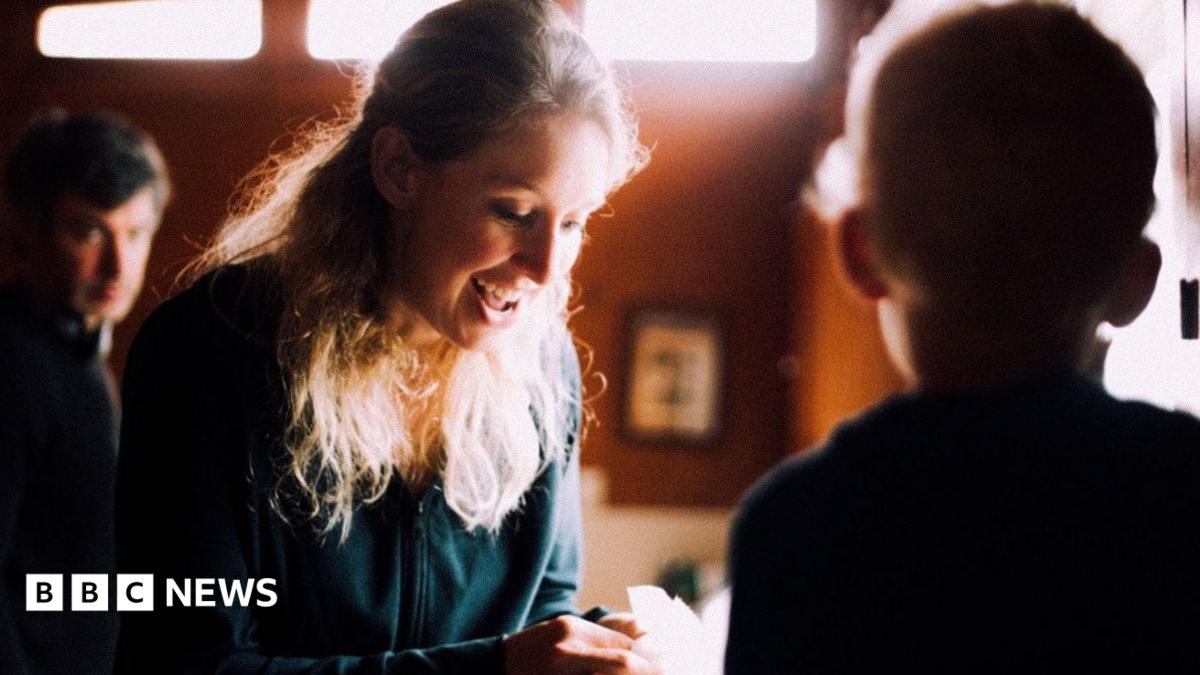
You Can See Everything documentary stuns with huge box office debut
You Can See Everything documentary breaks box office records with $15 million debut

Will developing nations be able to handle millions of AI agents?
The challenges of deploying AI agents in developing nations