
Human‑rights groups call for rejection of UAE diplomat Lana Nusseibeh’s UN secretary‑general bid
Rights organisations cite alleged UAE financing of Sudan’s Rapid Support Forces and question Nusseibeh’s independence as the United Nations seeks its next leader.
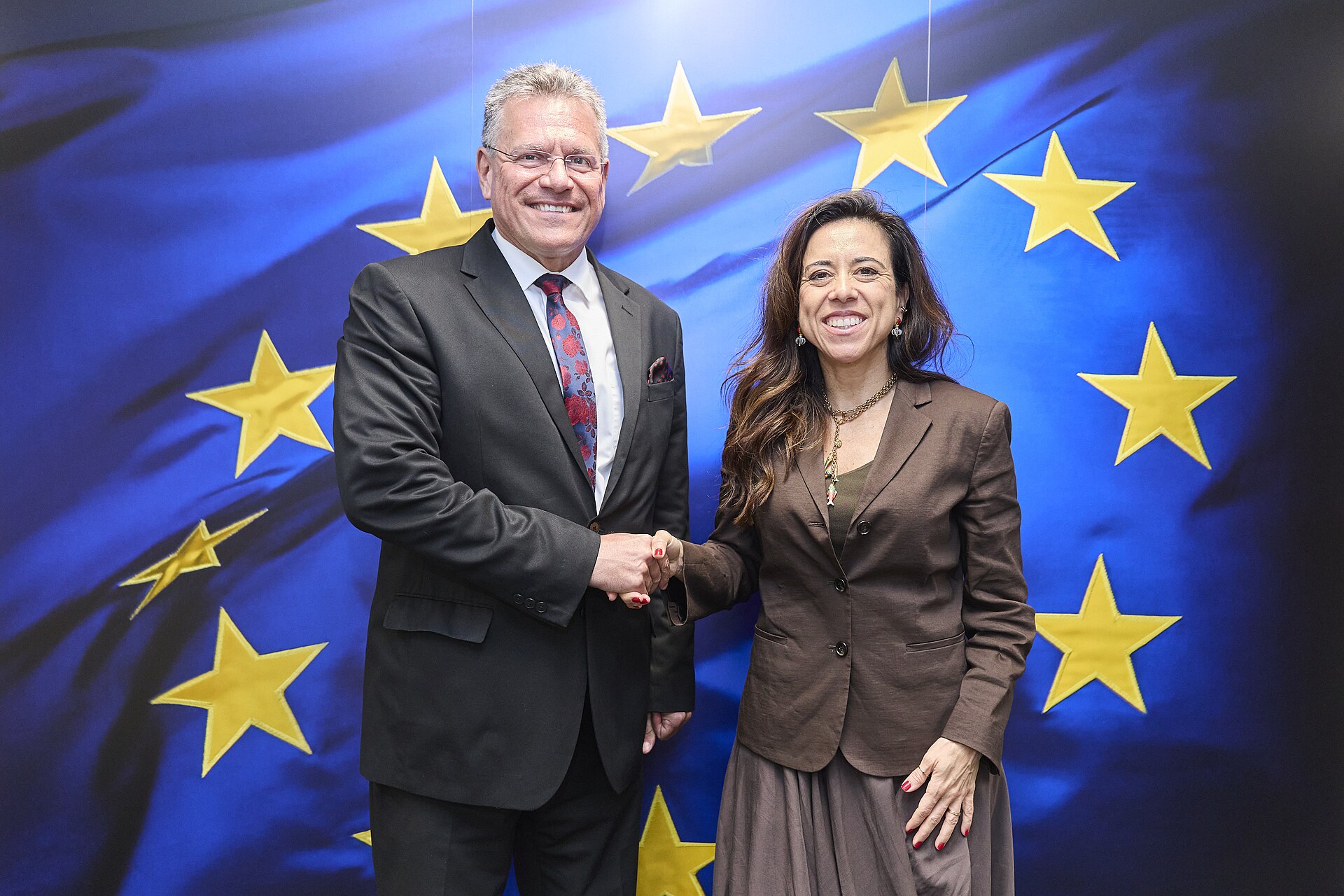
Rights organisations cite alleged UAE financing of Sudan’s Rapid Support Forces and question Nusseibeh’s independence as the United Nations seeks its next leader.
The story
Several international human‑rights organisations urged member states on Tuesday to oppose the candidacy of United Arab Emirates diplomat Lana Nusseibeh for the post of United Nations secretary‑general, citing allegations that Abu Dhabis funds have supported Sudan’s paramilitary Rapid Support Forces (RSF). The groups said the accusations raise concerns about the candidate’s ability to act independently of her home government.
Nusseibeh, 48, was officially nominated last week and has secured backing from Gulf states. She would be the first woman and the second Arab to hold the UN’s top post if elected. The UAE has denied any involvement in financing the RSF, which has been fighting the Sudanese army since 2023.
Human Rights Watch head Ken Roth described Nusseibeh as “utterly inappropriate” for the role, noting that she has repeatedly denied the UAE’s alleged support for the RSF despite what he called “the facts.” Kate Ferguson, co‑director of the British NGO Protection Approaches, added that she has not seen sufficient evidence to confirm the candidate’s independence from the Emirati government.
A closer look
In response, Nusseibeh announced she would take a leave of absence from her ministerial post in the UAE to “be mindful of the obligations of independence” required of a secretary‑general. She described the ongoing conflict in Sudan as a “tragedy” and said the war would serve as a “litmus test” for any incoming UN chief.
The UN’s selection process requires candidates to be independent of their national governments. The debate over Nusseibeh’s candidacy highlights broader concerns about the influence of state actors in the appointment of the organization’s senior leadership.
This report presents the named publisher’s account and has not yet been independently corroborated.
Continue reading
Defence desk ↗
Chancellor Healey outlines modest fiscal plan for Burnham government's inaugural budget
The budget, described by the Treasury as "low‑key," focuses on relief for low‑ and middle‑income households while adhering to Labour's fiscal rules amid higher borrowing costs.

Egyptian President Announces He Will Not Seek Fourth Term
President Abdel Fattah al‑Sisi told graduates at the Egyptian Military Academy that he intends to leave office at the end of his third term in April 2030, prompting analysis of possible implications for Egypt’s political future.

Former police officer on trial alleges use of coded language with mother after alleged murders
Beau Lamarre‑Condon, charged with the February 2024 killings of TV presenter Jesse Baird and his partner, told a friend he used a phrase about a search warrant as a code word during a visit with his mother.