
Expert Casts Doubt on Accused Husband's Lawnmower Accident Account in Murder Trial
A biomechanical expert testified in the Brisbane Supreme Court that a psychologist found dead on her property could not have been seated on the lawnmower when it tipped.
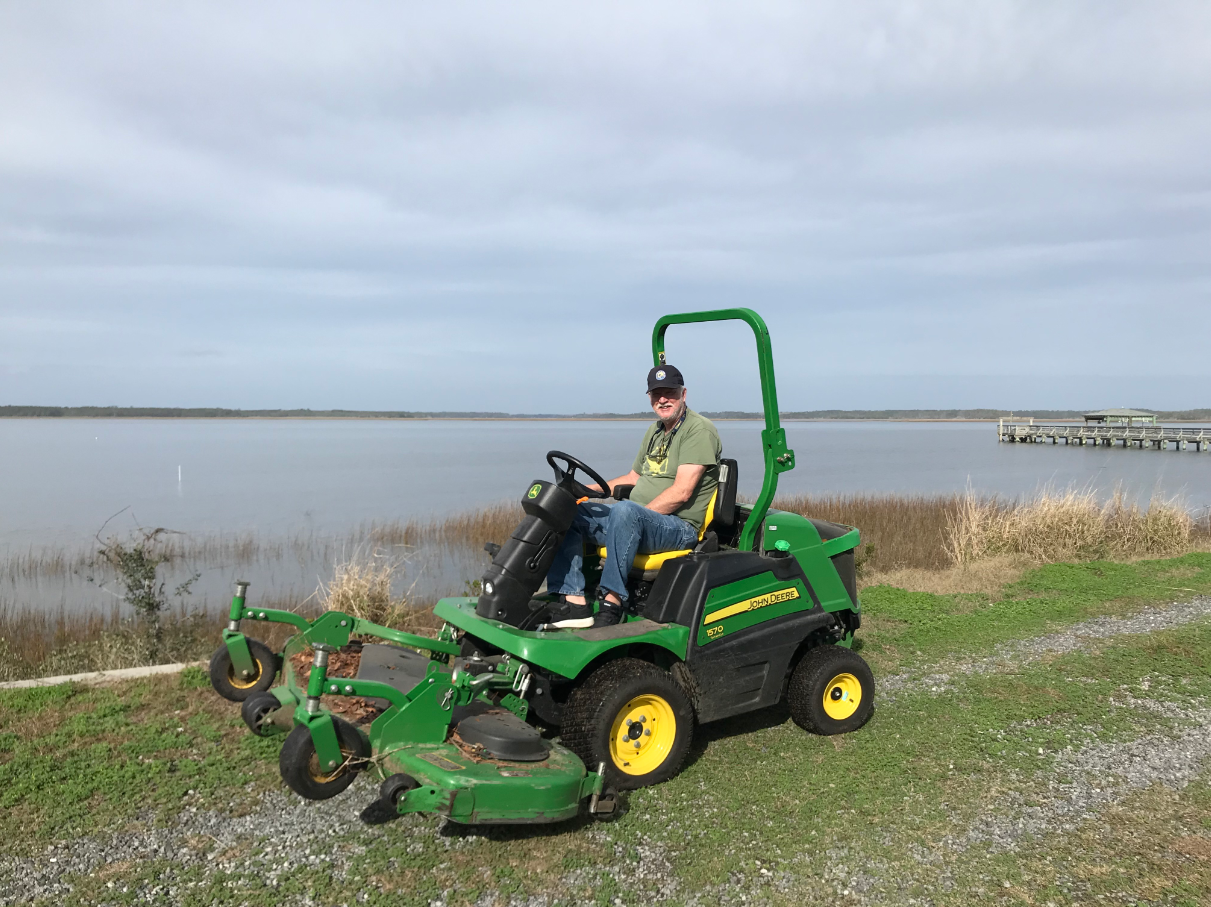
A biomechanical expert testified in the Brisbane Supreme Court that a psychologist found dead on her property could not have been seated on the lawnmower when it tipped.
The story
A biomechanical expert has testified in the Brisbane Supreme Court that he considers it implausible for a mother of three to have suffered her fatal injuries while seated on a lawnmower that tipped over a retaining wall. Professor David Ackland presented his findings to the jury on Wednesday, offering analysis regarding the circumstances of the death of psychologist Frances Crawford.
Frances Crawford was found dead on her Upper Lockyer property on July 30, 2024. Her husband, former Air Force pilot Robert Crawford, told police he discovered her body cold to the touch and trapped underneath a lawnmower during the early winter morning. Robert Crawford has been charged with murder and has pleaded not guilty to the charge.
The prosecution alleges that Robert Crawford strangled his wife and subsequently staged the scene to resemble a lawnmower accident at the base of a retaining wall on their property. Previous court testimony indicated the couple's marriage had been under strain after Frances Crawford discovered a two-decade history of infidelity involving multiple partners.
A closer look
Professor Ackland told the court he was asked to determine whether the physical evidence supported the proposition that the body could end up where it was discovered. Using police data and physical evidence from the scene, the expert concluded that the deceased could not have been seated in the vehicle when it struck the rock.
The witness pointed to a distance of 1.68 metres between a blood mark, which he identified as the likely site of initial head impact, and the furthest scrape mark attributed to the lawnmower. Even under a worst-case scenario analysis, Professor Ackland stated that the victim would have been positioned off the seat and that it remained very unlikely for the heavy machinery to land directly on top of her.
The trial in the Brisbane Supreme Court continues as legal proceedings examine the physical evidence and the competing accounts surrounding the incident at the Lockyer Valley property.
This report presents the named publisher’s account and has not yet been independently corroborated.
Continue reading
Defence desk ↗
US House Republicans Defeat Impeachment Resolution Targeting Defense Secretary
Legislators block a 34-page impeachment resolution against Defense Secretary Pete Hegseth, which cited military actions in Iran, Yemen, and Venezuela.
US House blocks impeachment resolution against Defense Secretary Pete Hegseth
Lawmakers vote to refer the impeachment articles to a committee, effectively halting the effort introduced by Republican Representative Thomas Massie.
US Treasury Secretary Scott Bessent Relocated to Military Base Amid Security Concerns
United States Treasury Secretary Scott Bessent has moved to an undisclosed military base following threats linked to Iran.