Media groups challenge India’s privacy law at top court
Media groups in India challenge the government's new privacy law, arguing it could hamper investigative journalism and endanger sources.
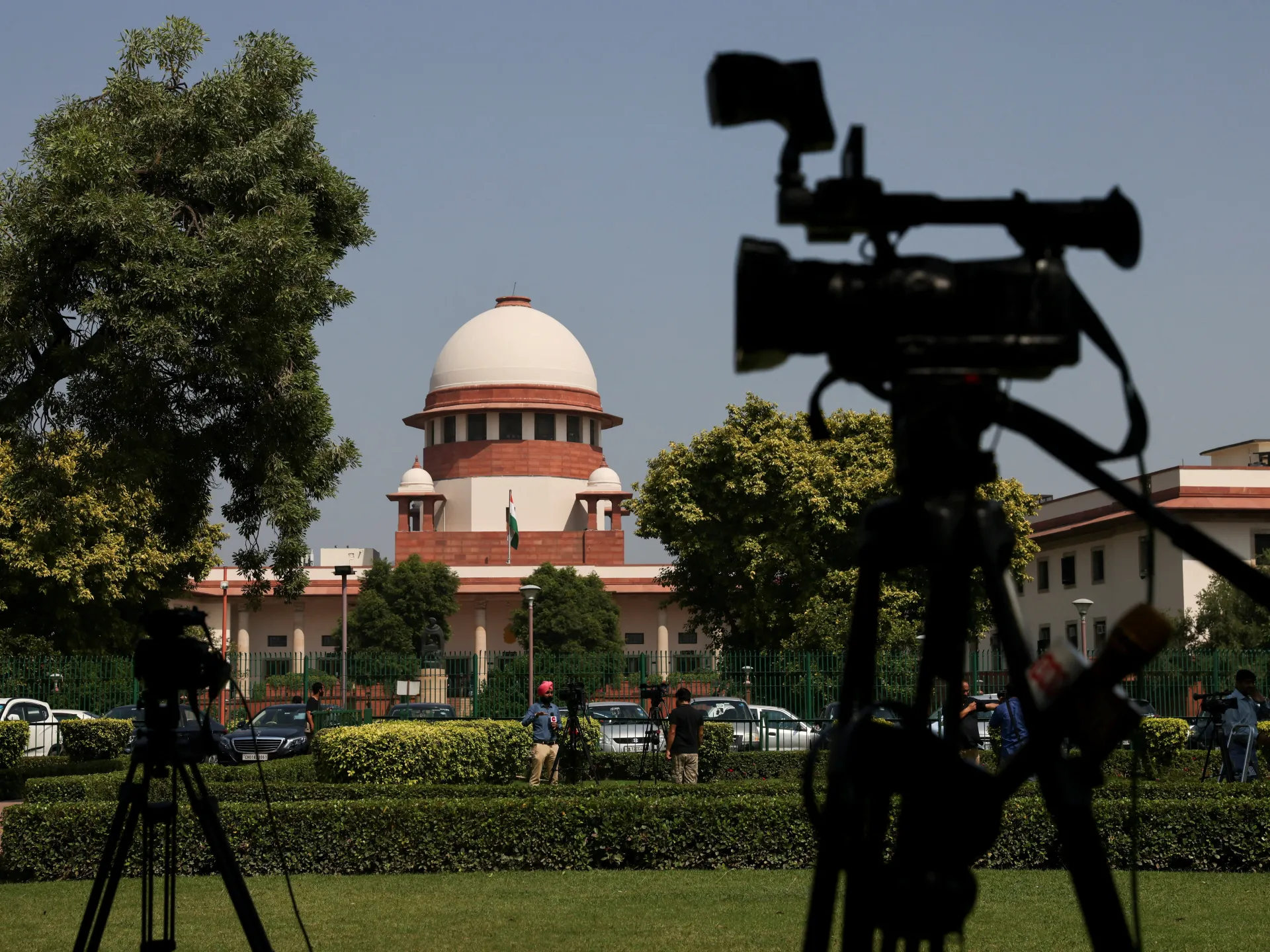
Media groups in India challenge the government's new privacy law, arguing it could hamper investigative journalism and endanger sources.
The story
Media groups in India have challenged the government's new privacy law at the Supreme Court, arguing it could hamper investigative journalism and endanger sources. The law, which would require journalists to seek consent from people they write about, amounts to pre-censorship and could lead to newsrooms shutting down, media groups have told the Supreme Court. A group of 21 news publishers, including companies owned by billionaires Mukesh Ambani and Gautam Adani, challenged Prime Minister Narendra Modi's law on Tuesday, arguing it would trample upon investigative work and allow the government to identify journalists' sources, according to The Indian Express newspaper. The Supreme Court said it would hear the case next month. Media companies received assurances in an August meeting with the government that the law would protect press freedom, but not having a written exemption for journalists as in the European Union, Singapore and Britain was alarming, the news publishers said in a filing earlier this month. The Digital News Publishers Association (DNPA) has argued that requiring a journalist to notify the subject of an investigation and seek consent 'would allow that subject to destroy evidence, intimidate witnesses'. The law also lets people withdraw consent at any time and demand that their data be erased, without any public-interest safeguard, which the DNPA says could force its members to unpublish or heavily redact a factual news report. News publishers are concerned that a federal authority created under the law can impose fines for noncompliance, and grants powers to New Delhi to block access to any information in the 'interests of the general public', which would curtail press freedom, the DNPA said. From next year, the law will also let New Delhi order any organisation handling personal data 'to furnish such information as it may call for', putting newsrooms at risk of having to divulge sources, the filing said. It can also deter whistleblowers from sharing information on corruption, corporate wrongdoing or electoral malpractice with reporters, the DNPA argued.
This report presents the named publisher’s account and has not yet been independently corroborated.
Continue reading
Politics desk ↗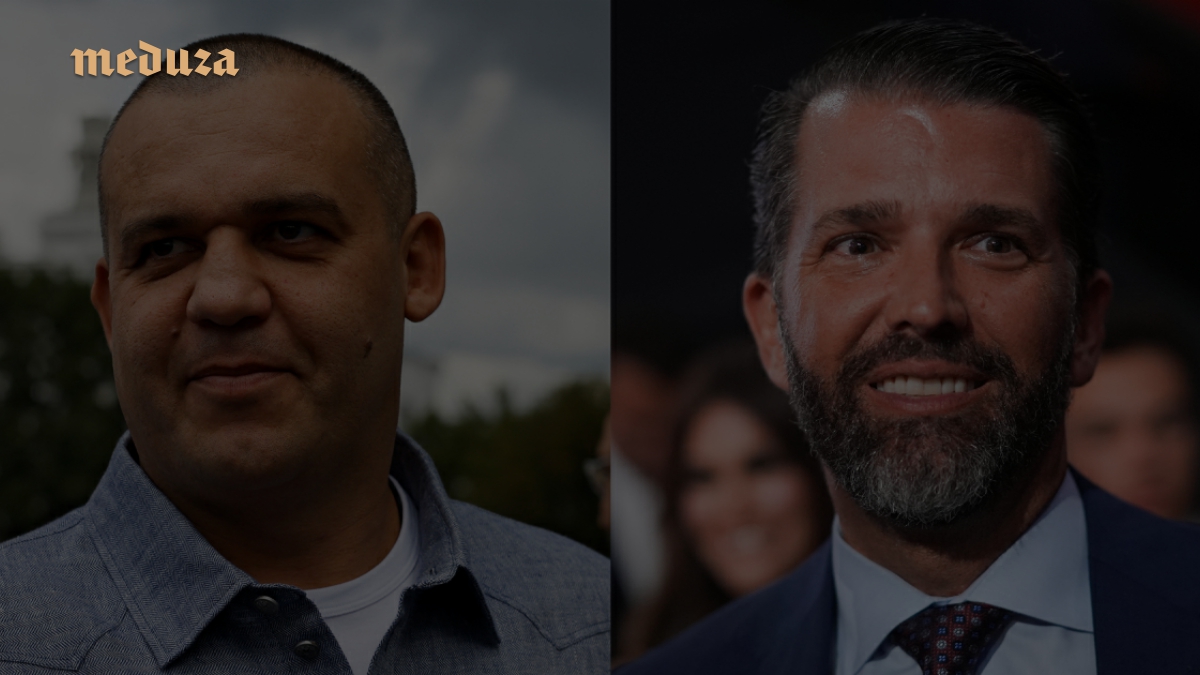
Donald Trump Jr. went hunting in Mongolia with a Kremlin-linked Russian businessman who helped bankroll his wedding
Donald Trump Jr. went on a hunting trip in Mongolia with a Kremlin-linked Russian businessman who helped bankroll his wedding.

Mbappé sorry for 'ill-judged' Mao remark after backlash in China
Kylian Mbappé apologises for comments about Mao Zedong, sparking backlash in China.
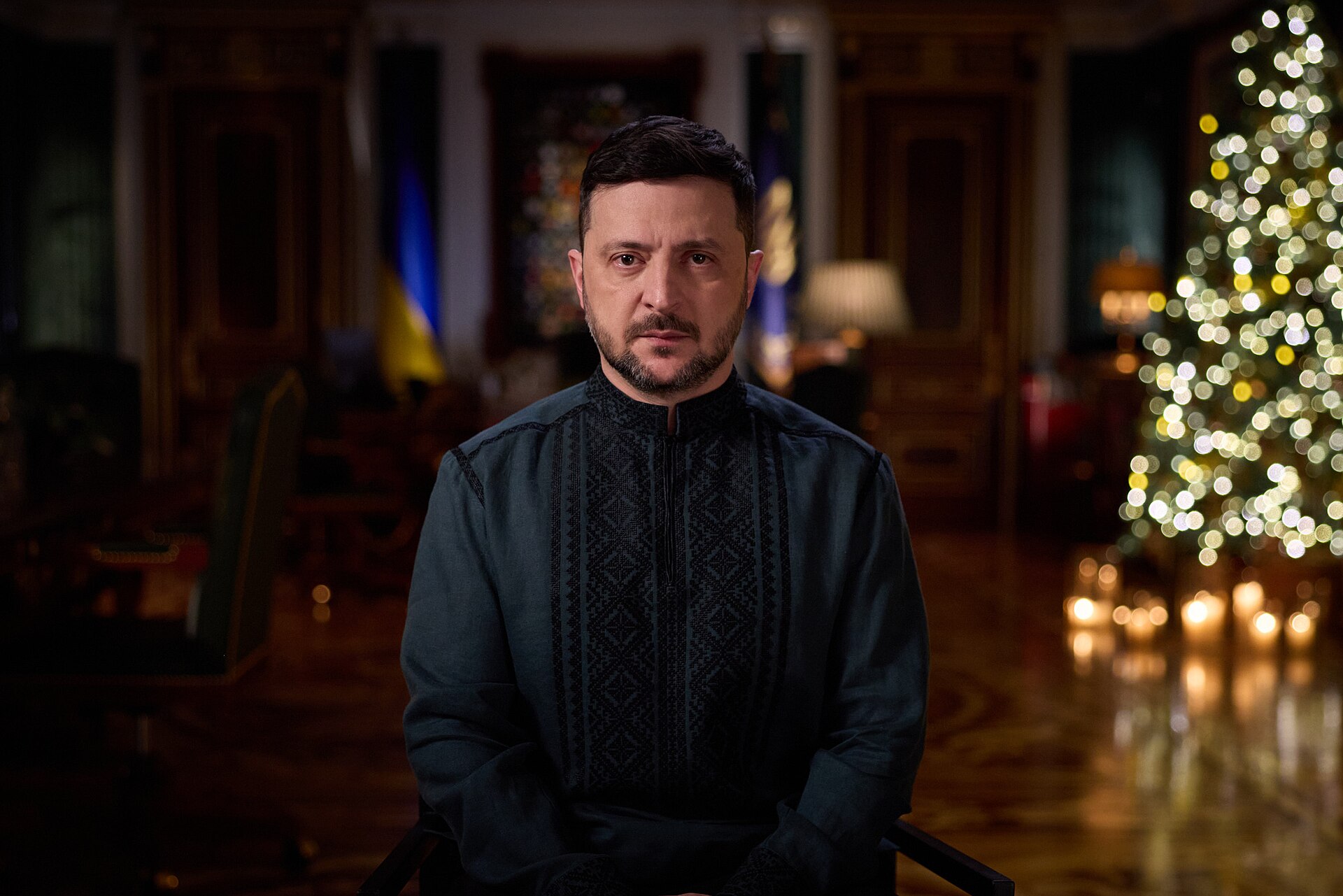
Finnish and Norwegian leaders spoke with Putin by phone about ending war in Ukraine
Finnish and Norwegian leaders spoke with Putin by phone about ending war in Ukraine, following a meeting in Oslo between Trump's special envoy and Ukrainian President Volodymyr Zelensky.