Labour has got the message – developing nations suffer most from bond market turmoil | Heather Stewart
Developing nations suffer most from bond market turmoil, according to the UN, as policymakers gather in Bangkok for the annual IMF and World Bank meetings.
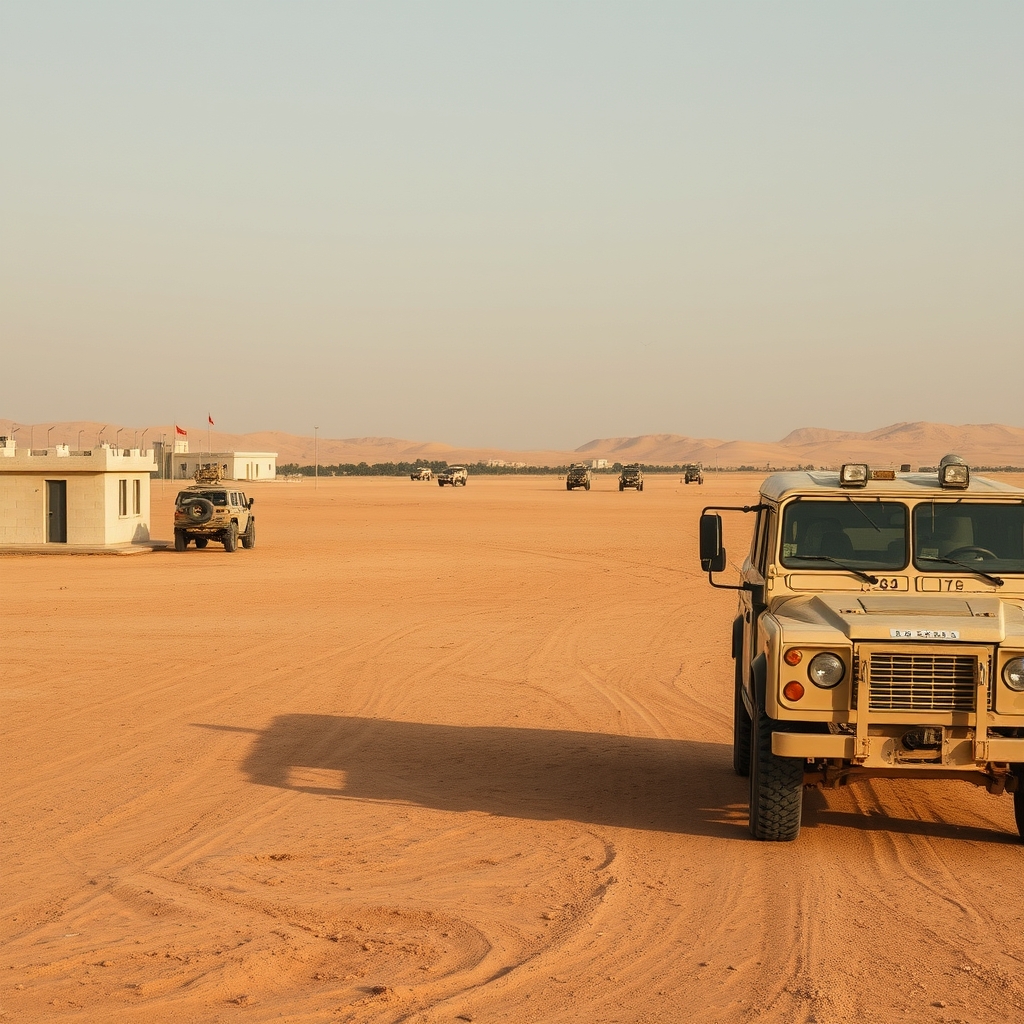
Developing nations suffer most from bond market turmoil, according to the UN, as policymakers gather in Bangkok for the annual IMF and World Bank meetings.
The full report
Developing nations face a triple shock from bond market turmoil, the UN warns. Markets have responded to the war in the Middle East and a spendthrift White House by dumping government bonds, driving up borrowing costs everywhere. Finance ministers and central bankers gathering in Bangkok this week for the annual meetings of the International Monetary Fund and the World Bank may be loth to point the finger at Donald Trump’s regime, but all are at least in part hostage to the US president’s war plans.
Even before the latest market gyrations, experts calculated that debt servicing costs absorbed 45% of government revenues in the global south, and 70% in low-income countries. This crowds out desperately needed spending on public services and investing for the future. There have been growing demands for reform of the framework for international debt in recent years, including from African Union heads of state, and under the G20 chairs of Brazil and South Africa.
The G20 – the forum in which Gordon Brown coordinated a global fiscal stimulus package in the depths of the financial crisis in spring 2009 – is meant to be an important body for discussing international economic issues. However, this year’s chair has been Trump’s US, which has placed much more emphasis on other aspects of the G20’s remit, including promoting global economic growth – somewhat ironically, given the main obstacle to achieving it is the war on Iran.
Next year, the presidency falls to the UK, and Labour has made clear it will have different priorities. These will include seeking a global agreement on AI regulation, which seems a faint hope but is clearly worth pursuing. The UK also intends to put unsustainable debt on the agenda.
Reporting status
This original NewNWS report was drafted from the cited source material and passed a second evidence check. Claims that remain the account of one publisher are attributed in the source disclosure below.
This automated report presents the named publisher’s account and has not yet been independently corroborated.
Continue reading
Politics desk ↗
India releases 'cockroach' leaders as movement calls for more protests
India releases 'cockroach' leaders as movement calls for more protests
Pakistan: President puts Khan stronghold province under emergency rule
Pakistan's President Asif Ali Zardari has put the northwestern province of Khyber Pakhtunkhwa under emergency rule, effectively removing power from former Prime Minister Imran Khan's Pakistan Tehreek-e-Insaf (PTI) party.
Pope Leo to have surgery after lump found on lung
Pope Leo XIV to undergo surgery to remove lung nodule