
Utah Files Criminal Charges Against Prediction Market Kalshi and Executives
The state of Utah has filed criminal charges against prediction market operator Kalshi and its two co-founders following a dispute over state anti-gambling laws and federal jurisdiction.
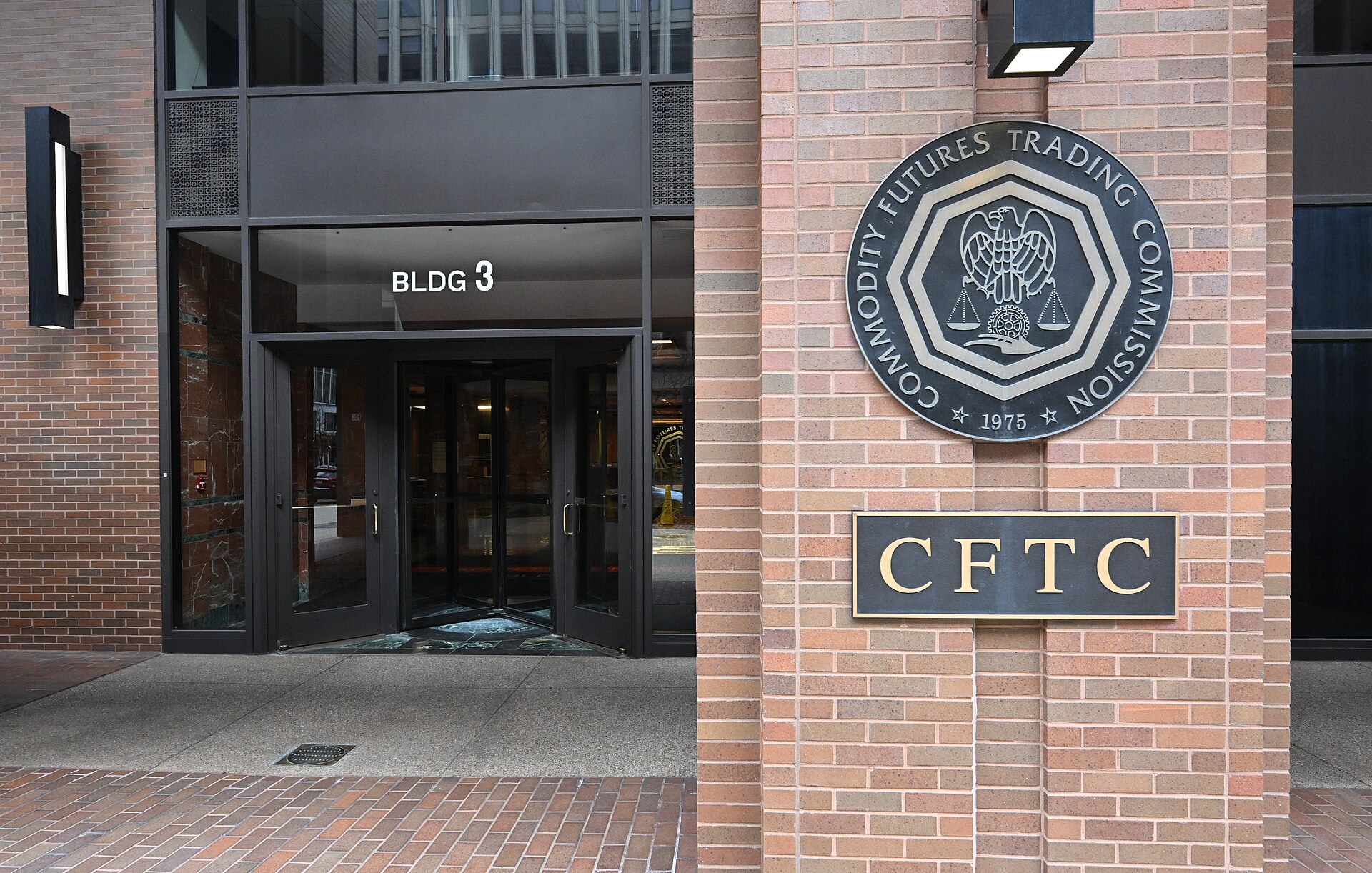
The state of Utah has filed criminal charges against prediction market operator Kalshi and its two co-founders following a dispute over state anti-gambling laws and federal jurisdiction.
The story
Utah authorities have announced criminal charges against prediction market platform Kalshi and its two co-founders, accusing the company and its executives of illegally promoting online gambling. Utah Attorney General Derek Brown filed the charges in a Salt Lake City court against Kalshi, chief executive officer Tarek Mansour, and chief operating officer Luana Lopes Lara.
The criminal complaint outlines 12 counts of online gambling promotion, one count of general gambling promotion, and one count of a pattern of unlawful activity. According to the court filings, Kalshi facilitated wagers on sports events, including NFL games, by an undercover law enforcement officer.
The action follows an August ruling by a federal judge determining that Utah is entitled to enforce its stringent anti-gambling laws against online prediction markets, dismissing a legal bid by Kalshi to block enforcement. Utah's state constitution explicitly bars lawmakers from legalising gambling, maintaining some of the strictest prohibitions in the United States.
A closer look
Utah Attorney General Derek Brown stated that Kalshi continued operating in the state despite the federal court ruling. Brown stated that gambling remains illegal in Utah regardless of whether an entity places bets, runs a game, or promotes it, adding that being federally registered does not exempt a company from state law.
In a statement, Kalshi described the charges as a "crazy overreach" and asserted that Utah is "playing politics." The platform maintained that it looks forward to resolving the matter in court. Kalshi has consistently argued that prediction markets fall exclusively under federal jurisdiction rather than state gambling laws.
The case highlights an ongoing jurisdictional conflict between US states and the federal government regarding the regulation of prediction markets. Litigation has emerged across roughly 20 states, with federal regulators such as the Commodity Futures Trading Commission arguing that the platforms fall under federal authority, while various states attempt to enforce local prohibitions.
Read the source reports and compare their framing:
Continue reading
Politics desk ↗
Montreal Summit Focuses on Forging Closer Partnership Between Canada and the European Union
Leaders meet in Montreal to discuss potential new status and deepening cooperation between Canada and the European bloc.
Alaska Governor Orders Inquiry Into Senate Campaign Allegations Following Media Report
Governor Mike Dunleavy directed the Department of Public Safety to investigate an alleged election manipulation scheme after a media report detailed efforts involving Democratic candidate Mary Peltola’s campaign.

South Africa Selects Durban as Preferred Candidate for 2036 and 2040 Olympic Bids
South Africa names Durban as its primary candidate to host the Summer Olympics and Paralympics, aiming to bring the Games to Africa for the first time.