
Israel Faces Complex Coalition Negotiations After Indecisive Election Results
Following an inconclusive national vote, political blocs in Israel must navigate intricate discussions with smaller factions to secure a parliamentary majority.
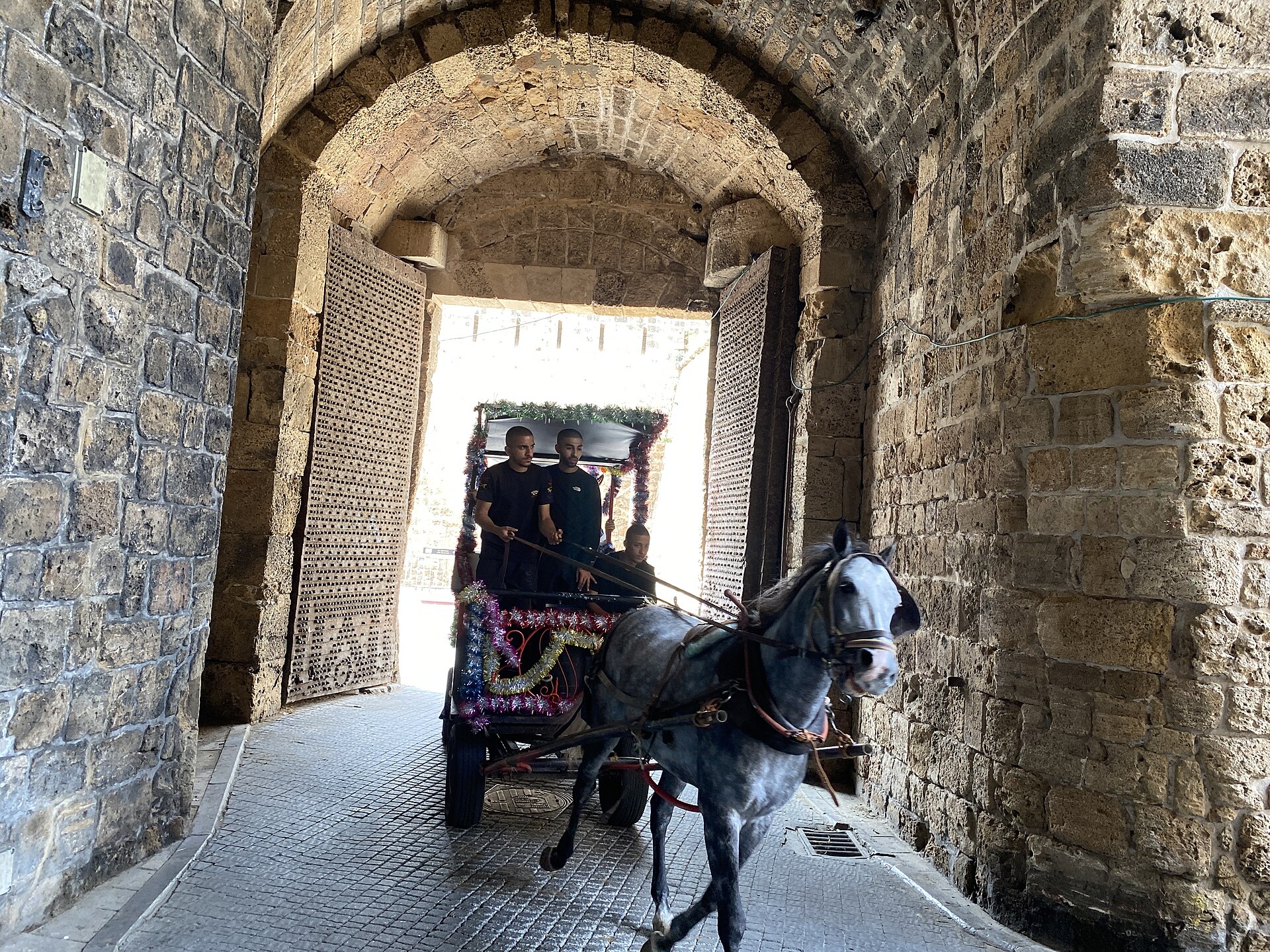
Following an inconclusive national vote, political blocs in Israel must navigate intricate discussions with smaller factions to secure a parliamentary majority.
The story
Voters in Israel have cast their ballots in an election that concluded without either major political alliance achieving the 61 parliamentary seats necessary to independently establish a government. According to reporting published by Yahoo Australia and originally produced by The Conversation's Digital Storytelling Team, neither the coalition led by Benjamin Netanyahu nor the opposition bloc headed by Gadi Eisenkot reached the required majority threshold.
As a result of the fragmented outcome, the political landscape enters a phase of extended coalition negotiations. One of the two primary blocs must engage in complex discussions with smaller factional parties to build a governing majority. The process of forming the next administration is anticipated to involve difficult bargaining and extensive diplomatic maneuvering among various parliamentary factions.
A closer look
The trajectory of these negotiations rests partly with Israel's president, Isaac Herzog, who holds the responsibility of determining which political figure receives the initial opportunity to form a government. This presidential decision will set the formal timeline and framework for coalition talks as the country attempts to resolve the political deadlock resulting from the ballot.
Potential complications in the formation process include the status of Arab parties, which could potentially hold the balance of power in the parliament. It remains uncertain whether either major political bloc would be willing to welcome an Arab-aligned party into a governing coalition. The role of these smaller factions highlights the unpredictable nature of the impending negotiations and the broader challenges facing the Israeli political system as it seeks to establish stable leadership.
Continue reading
Politics desk ↗
Montreal Summit Focuses on Forging Closer Partnership Between Canada and the European Union
Leaders meet in Montreal to discuss potential new status and deepening cooperation between Canada and the European bloc.
Alaska Governor Orders Inquiry Into Senate Campaign Allegations Following Media Report
Governor Mike Dunleavy directed the Department of Public Safety to investigate an alleged election manipulation scheme after a media report detailed efforts involving Democratic candidate Mary Peltola’s campaign.

South Africa Selects Durban as Preferred Candidate for 2036 and 2040 Olympic Bids
South Africa names Durban as its primary candidate to host the Summer Olympics and Paralympics, aiming to bring the Games to Africa for the first time.