
Australia’s illicit tobacco volume falls 24% as seizures hit record levels
Official data show a 24% reduction in contraband tobacco over the past financial year, alongside an all‑time high in seized illegal products.

Official data show a 24% reduction in contraband tobacco over the past financial year, alongside an all‑time high in seized illegal products.
The story
The Illicit Tobacco and E‑cigarette Commission reported that the volume of illegal tobacco in Australia fell by 24 per cent in the most recent financial year, marking the first decline after five years of growth. The commission estimates the shrinkage could represent up to 1,438 tonnes of contraband product removed from the market.
Australian Border Force statistics for the first quarter of the current financial year show more than 730 tonnes of illegal tobacco were seized, the highest amount recorded to date. The seizure tally also included 3.75 million illegal vaping devices, an 18 per cent increase compared with the same period a year earlier.
Assistant Customs Minister Julian Hill attributed the downward trend to intensified enforcement actions and public‑health initiatives aimed at reducing demand. Hill said, “Every illicit cigarette seized, every store closed and every network disrupted sends the same message to criminals: we know who you are, we know how you operate, and we’re coming after you and your profits.”
A closer look
The Australian Bureau of Statistics released figures in June indicating that 80 per cent of tobacco consumed in 2025 originated from illegal sources. High excise taxes on legal cigarettes have been cited as a driver of the illicit market, while some political parties have proposed substantial cuts to tobacco excise rates as a strategy to diminish the financial incentive for illegal trade.
Industry observers note that while the reduction in contraband volume is a positive sign for enforcement agencies, the overall size of the illegal market remains significant. Ongoing monitoring and policy adjustments are expected as authorities continue to address both supply‑side disruptions and demand‑side factors.
This report presents the named publisher’s account and has not yet been independently corroborated.
Continue reading
Australia desk ↗
Swim GP highlights para‑swimmers at Melbourne Aquatics Centre
The mixed‑team format at the Swim GP placed para‑athletes alongside Olympic swimmers, offering exposure and experience in a high‑profile, televised setting.
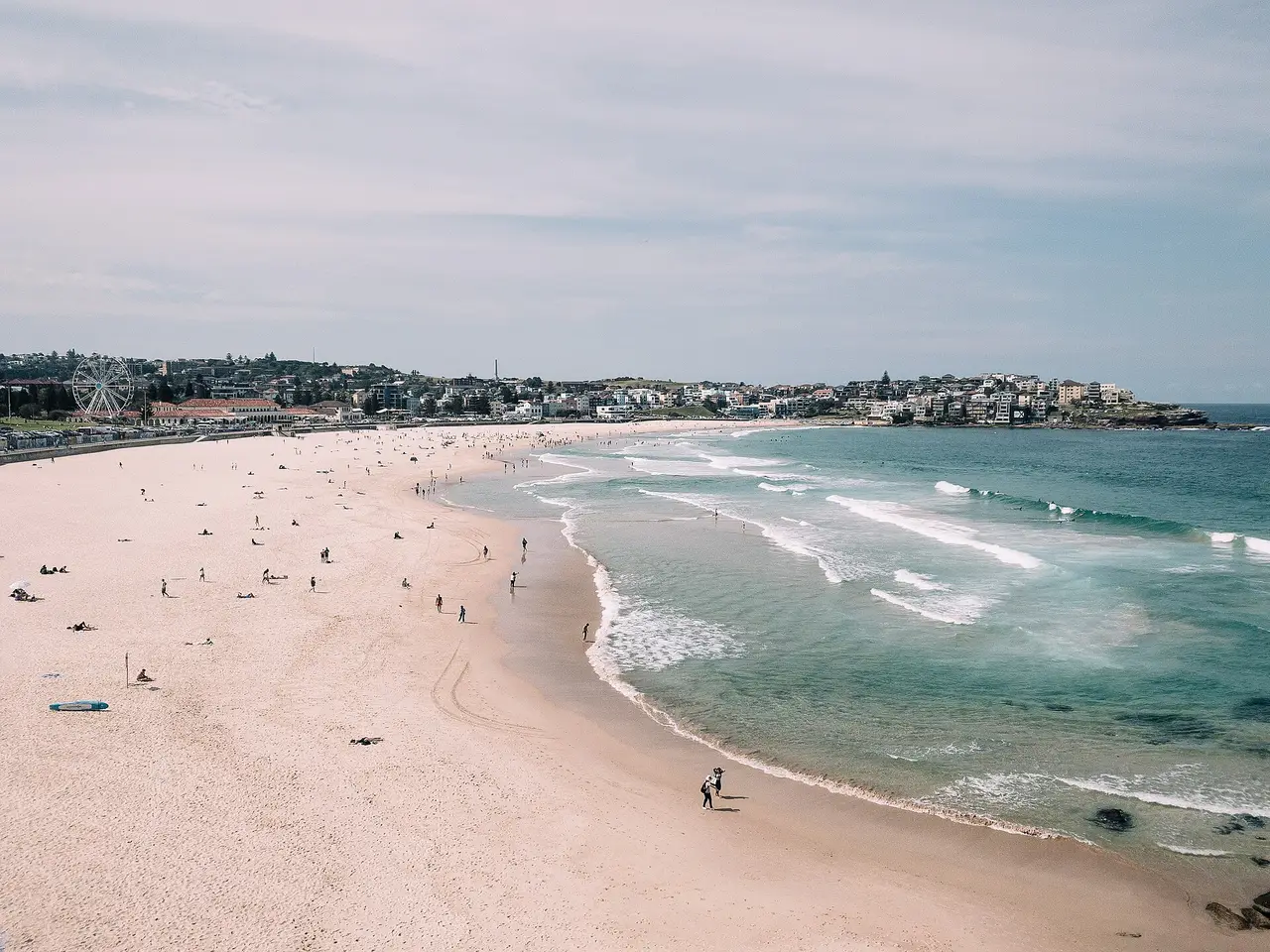
Former Sydney businessman left with permanent nerve damage after intervening in Bondi Beach shooting
Ahmed Al Ahmed, who confronted a gunman during the December 2025 Bondi Beach attack, now lives with chronic pain and limited arm mobility after multiple surgeries.

New Four-Part Documentary Examines 2019 Northern Territory Police Shooting
A newly released documentary series explores the fatal 2019 shooting of Kumanjayi Walker by police officer Zachary Rolfe in the remote Northern Territory community of Yuendumu.