
Literary Collaboration Brings Forgotten 1949 Paris Murder Victim Back to the Page
Two French authors have published separate books examining the 1949 murder of Louise Cansot, an artists' model whose case was initially abandoned by Paris police.
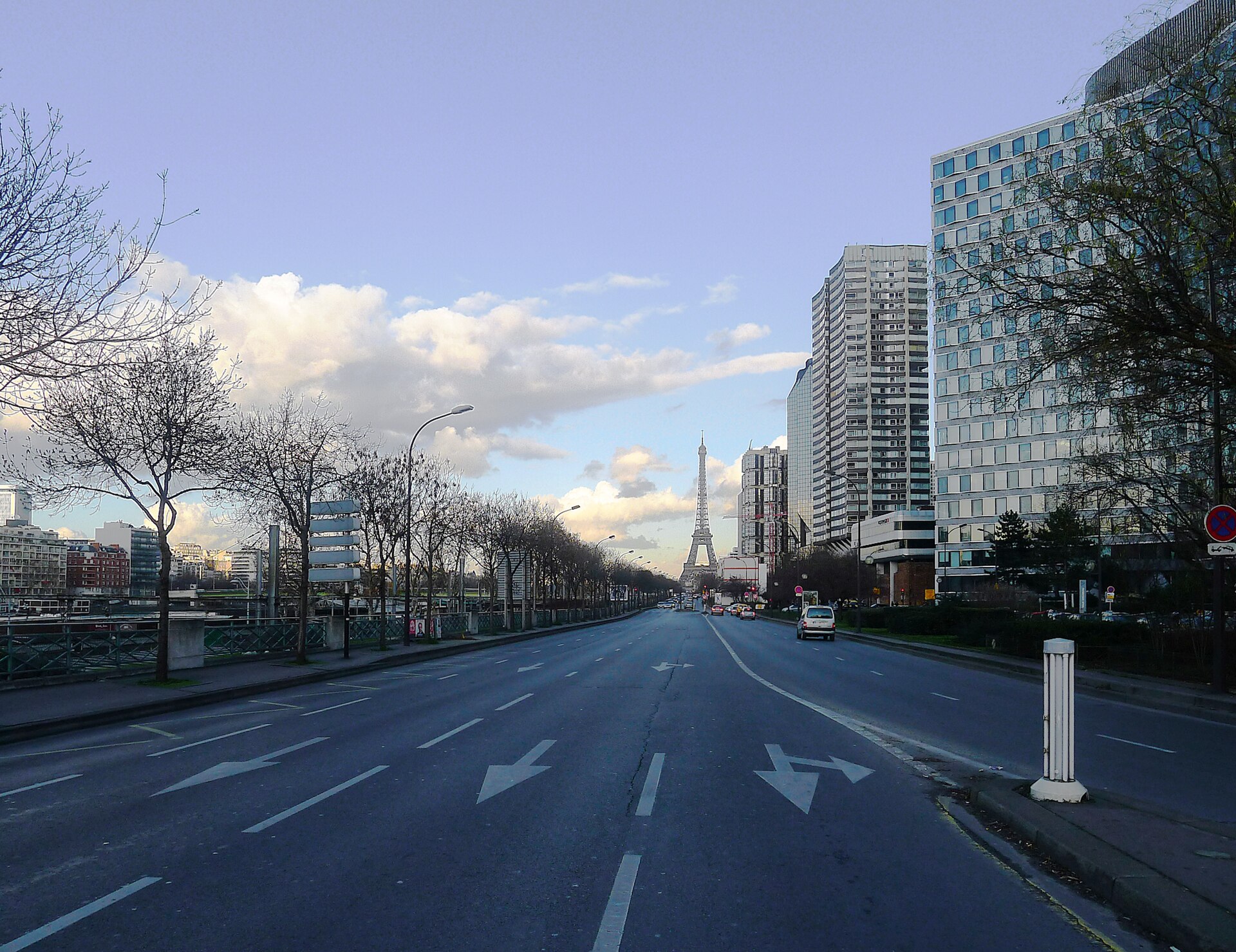
Two French authors have published separate books examining the 1949 murder of Louise Cansot, an artists' model whose case was initially abandoned by Paris police.
The story
For nearly eighty years, the artists' model Louise Cansot remained a largely forgotten figure in Paris crime history following her murder in September 1949. Her body was discovered near the Seine on the Quai du Javel, currently known as the Quai André-Citroën, in the 15th arrondissement of Paris. Following the discovery, city police closed the investigation after four months without finding a perpetrator. Contemporary accounts and police records largely dismissed the young woman, who was known as "the girl of 100 portraits" and was an unmarried mother, contributing to the premature closure of the case.
Born in the Breton village of Tréguier as the daughter of a shoe repairer, Cansot relocated to Paris in 1937 at the age of 16. Her appearance drew the attention of Montparnasse artists who sought her as a model. When World War II began and many artists departed for the south, Cansot remained in the capital, sustaining herself through work as a film extra, a dancer at the Folies Bergère, and a waiter. She maintained a five-year-old daughter named Nathalie with a suburban nanny while attempting to secure funds for a permanent home, but financial desperation grew as painters evacuated the city.
Writer Luc Corlouër began researching Cansot's life after encountering an elderly resident at a Tréguier war memorial in 1981 who mentioned the murder of the local woman's older sister. Over subsequent decades, Corlouër accumulated archives consisting of maps, photographs, letters, paintings, and historical documents regarding the victim. His initial attempts to publish a novel based on the investigation faced rejections from multiple publishers before he connected with novelist Philippe Jaenada.
A closer look
Jaenada, the author of 17 novels, encountered the historical case independently while examining archives of historical newspapers at the French National Library. Rather than competing, the two authors established a cooperative agreement after Jaenada contacted Corlouër. Corlouër provided his extensive research notes to Jaenada, acknowledging the novelist's literary standing in what he described as a display of literary solidarity.
The collaboration resulted in two distinct publications released simultaneously. Corlouër published his documentary-based work, titled La Tragédie du plus beau modèle de Paris (The Tragedy of the Most Beautiful Paris Model), on August 19. On the same date, Jaenada released his novel L’Inconnue du Quai de Javel (The Unknown Woman of the Quai de Javel), which subsequently won one of France's top literary honours, the Prix Goncourt.
This report presents the named publisher’s account and has not yet been independently corroborated.
Continue reading
Entertainment desk ↗
From Kalyan to the Mainstream: The Rise of Conscious Adivasi Rapper Mahi G
Madhura Ghane, known professionally as Mahi G, has emerged in India's hip-hop scene with politically and socially charged music addressing Adivasi life, environmental issues, and historical legacies.
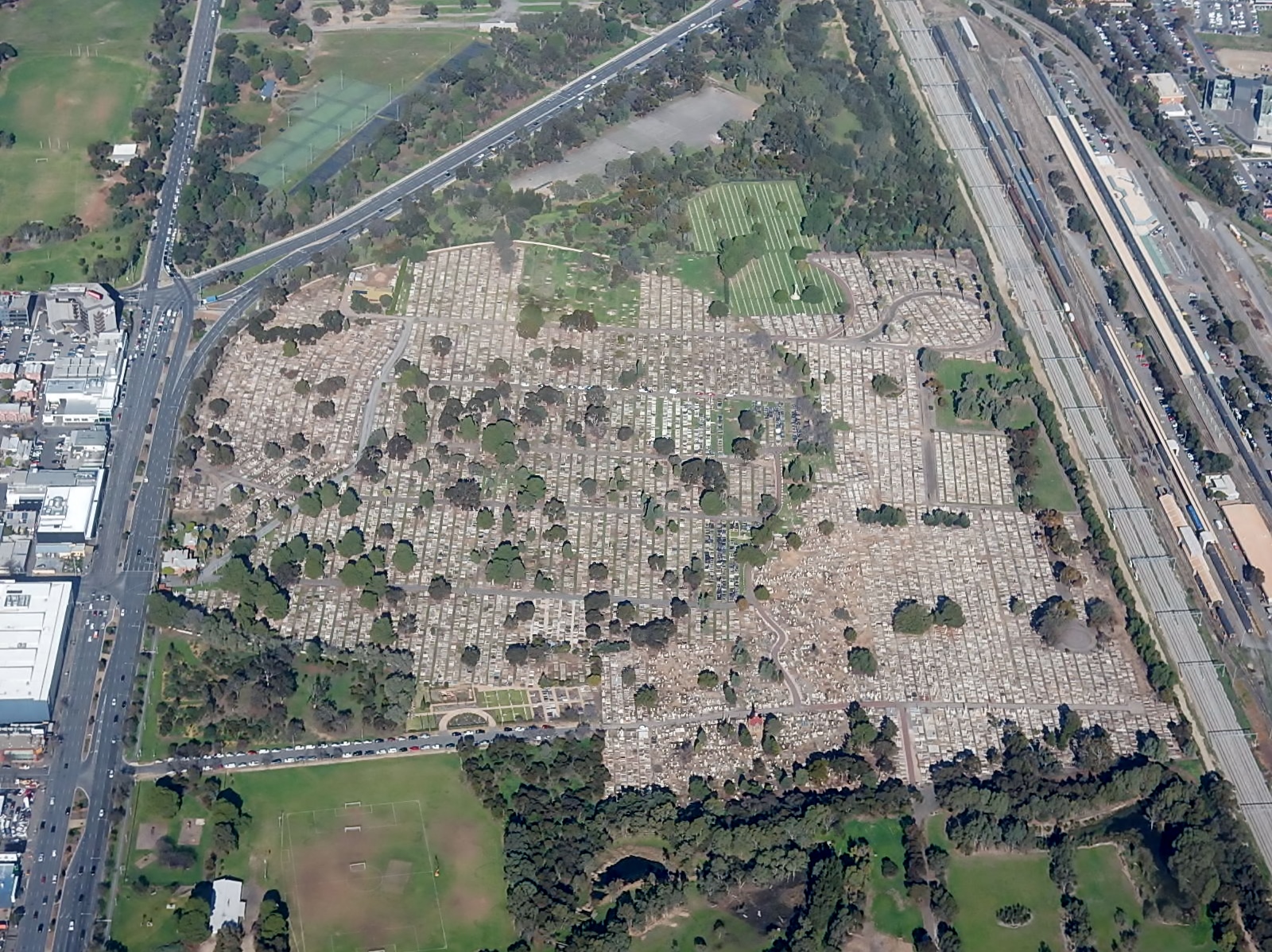
German immigrant’s skeleton returned to Adelaide after eight decades on display
Johann David Max Dreyssig, who died in 1913, was buried in West Terrace Cemetery following a repatriation effort by the South Australian Museum and the local German community.
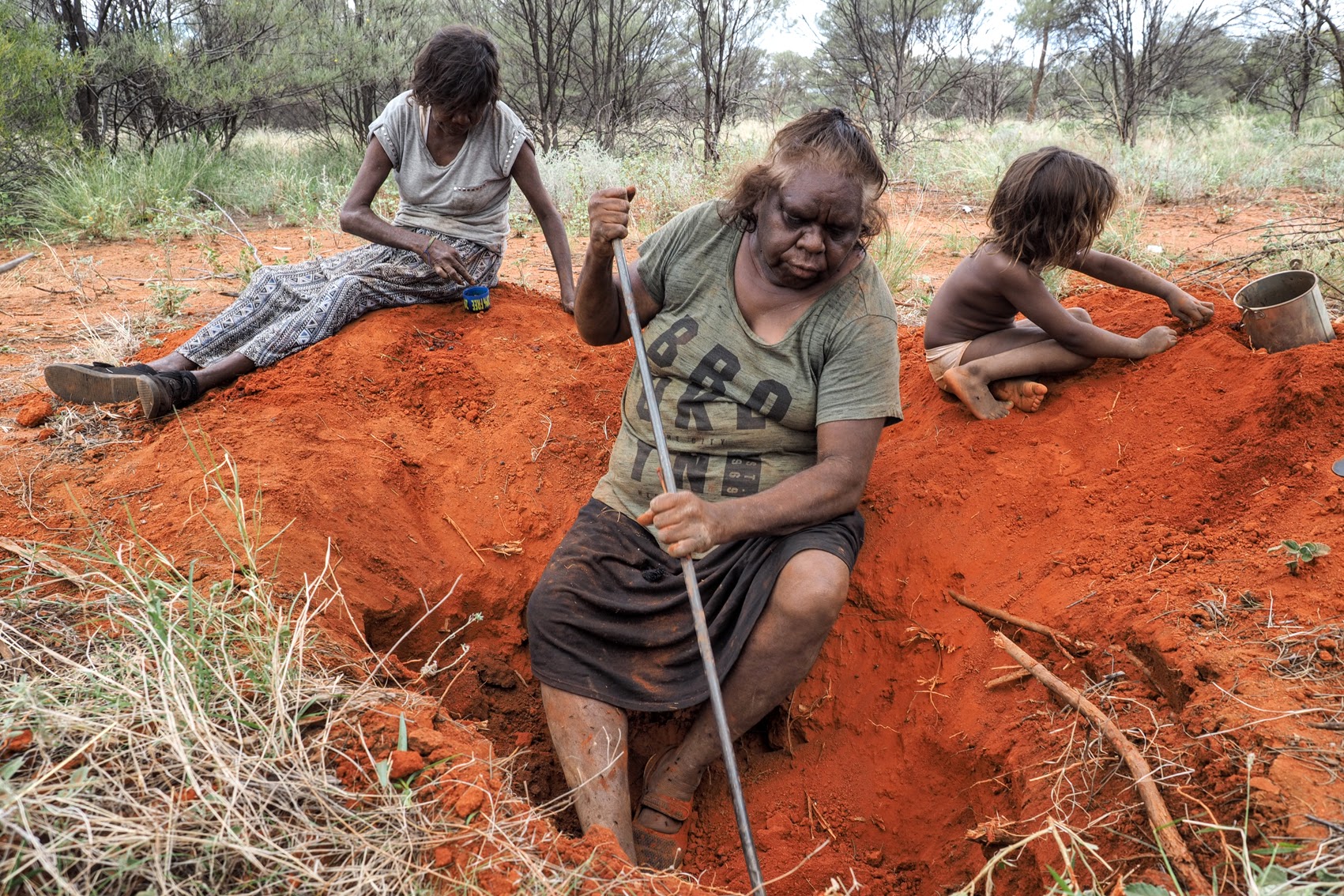
Documentary Examines Aftermath and Context of Fatal Remote Shooting
A new four-part true crime series explores the events surrounding the death of a Warlpiri Luritja teenager in the Northern Territory and the subsequent national dialogue.