
Financial Divide Widens Between Premier League's Elite and Rival Clubs
An analysis of Premier League finances highlights the growing revenue gap between the competition's six largest clubs and the rest of the division.
 Oliver Mitchell · Published · 2 min read

The story
Ten matches into the Premier League season, the upper tier of the league table features several clubs from the traditional group of six, with only Brighton occupying a top-five position outside that group.
BBC Sport reported that the six largest English clubs—Manchester United, Liverpool, Manchester City, Arsenal, Tottenham, and Chelsea—currently generate hundreds of millions of pounds more than their divisional competitors. Traditionally, Liverpool, Arsenal, and Manchester United held high viewing figures, media coverage, merchandise sales, and sponsorships, while Chelsea, Manchester City, and Tottenham joined this prominent group over the past two decades.
A closer look
This financial divergence is illustrated by comparing the elite group with Everton, which is the only club outside the big six to have remained in the Premier League since its establishment in 1992. According to financial figures, the average revenue gap between the big-six clubs and Everton stood at £120m during the 2009-10 season. By the 2024-25 season, that disparity expanded to £442m.
Kieran Maguire, a professor of football finance at the University of Liverpool, told BBC Sport that the expansion is largely driven by the growth in international television rights. This global broadcasting boom has attracted corporate entities willing to pay substantial sums to associate with the top clubs in the league.
This report presents the named publisher’s account and has not yet been independently corroborated.
Continue reading
Politics desk ↗
Hundreds arrested in anti-Trump protests in Philippines amid anger over Iran war and AI pact
Single-source report from The Guardian — World. The account is clearly attributed and has not yet been independently corroborated.

Albanese says Trump, Xi and Putin talks on Ukraine 'not up to Australia'
Single-source report from ABC News — Top Stories. The account is clearly attributed and has not yet been independently corroborated.
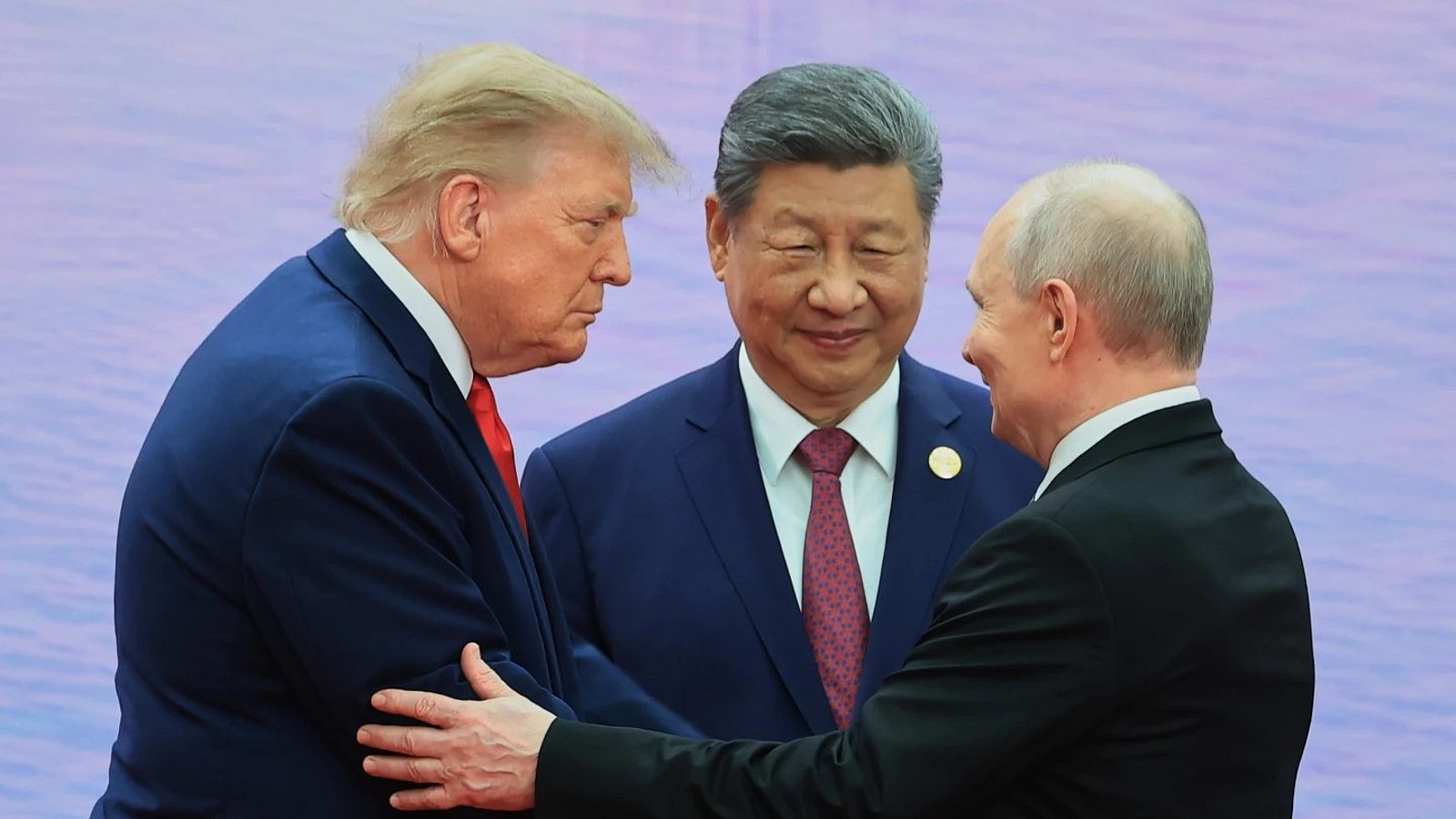
Trump, Xi and Putin Set to Discuss Nuclear Arms and Conflicts in Ukraine and Iran
Leaders of the United States, China and Russia convene on Thursday to address global security issues, including nuclear arms control and ongoing wars.