How is the US-Israeli war on Iran causing havoc in Europe?
European opposition to US-Israeli attacks on Iran grows as energy costs rise and protests intensify.
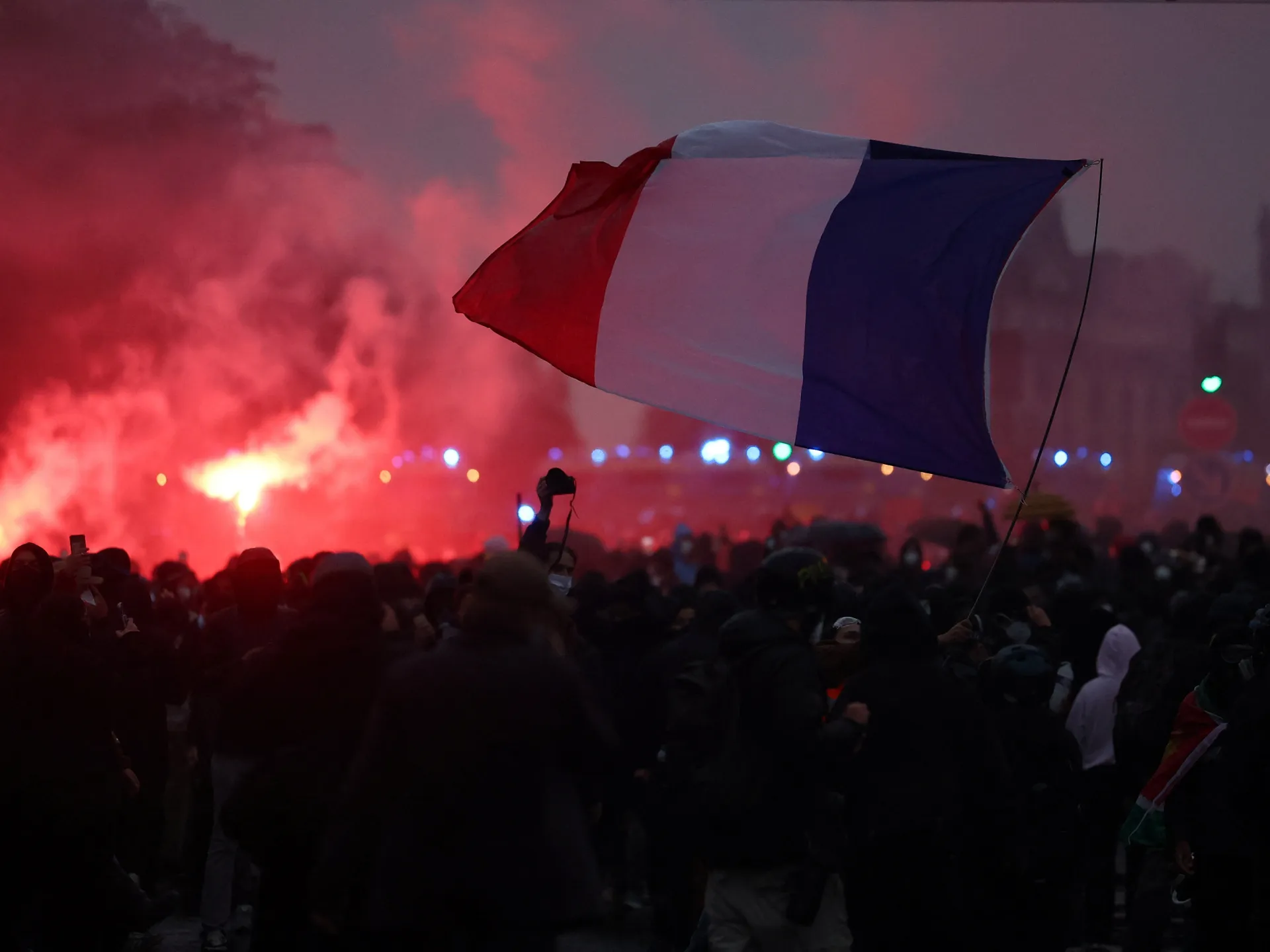
European opposition to US-Israeli attacks on Iran grows as energy costs rise and protests intensify.
The full report
Rising energy costs and protests are sharpening European opposition to renewed US-Israeli attacks on Iran, according to Al Jazeera English. Several Western European nations have expressed their opposition to the potential resumption of the Iran war, as spiralling global oil prices have worsened the cost of living crisis across Europe. Countries such as Germany and the UK, among other major powers, which initially remained silent on the US-Israeli bombardment of Iran, have aired their views, calling for diplomacy to end the war which has disrupted global oil supplies.
Continued disruption to energy supplies is pushing up household costs as winter in Europe approaches, adding fuel to protests over living standards that have engulfed European capitals in recent weeks. Iran’s Foreign Ministry spokesperson Esmaeil Baghaei on Sunday drew attention to what he described as a shift in Germany’s position on attacks against Iran, citing German Chancellor Friedrich Merz’s remarks during Israel’s June 2025 military campaign.
Experts say Baghaei’s remarks reflect a broader shift across Europe, where leaders are increasingly questioning their support for the US-Israeli war on Iran. With Washington reportedly preparing options for renewed attacks, what would further escalation mean for Europe and could the war further strain already frayed relations with the United States?
The leaders of Britain, France and Germany issued a joint statement condemning Iran’s retaliatory strikes on countries across the region, but did not condemn the opening US-Israeli attacks. Nearly eight months into the war, European governments are now explicitly warning against another military campaign. On Friday, the foreign ministers of Britain, France, Germany and Italy met their counterparts from Turkiye, Saudi Arabia, Pakistan and Egypt in Istanbul to discuss the conflict and the Strait of Hormuz.
French Foreign Minister Jean-Noel Barrot warned that further escalation between Iran and the US “would create nothing but losers and would undoubtedly have very serious consequences for hydrocarbon prices”. The warnings against new attacks do not necessarily mean European governments have abandoned their positions on Iran’s nuclear programme or regional activities, but they do show a change of position and have revealed that European governments are not united in their approach to the Iran war.
This report presents the named publisher’s account and has not yet been independently corroborated.
Continue reading
Defence desk ↗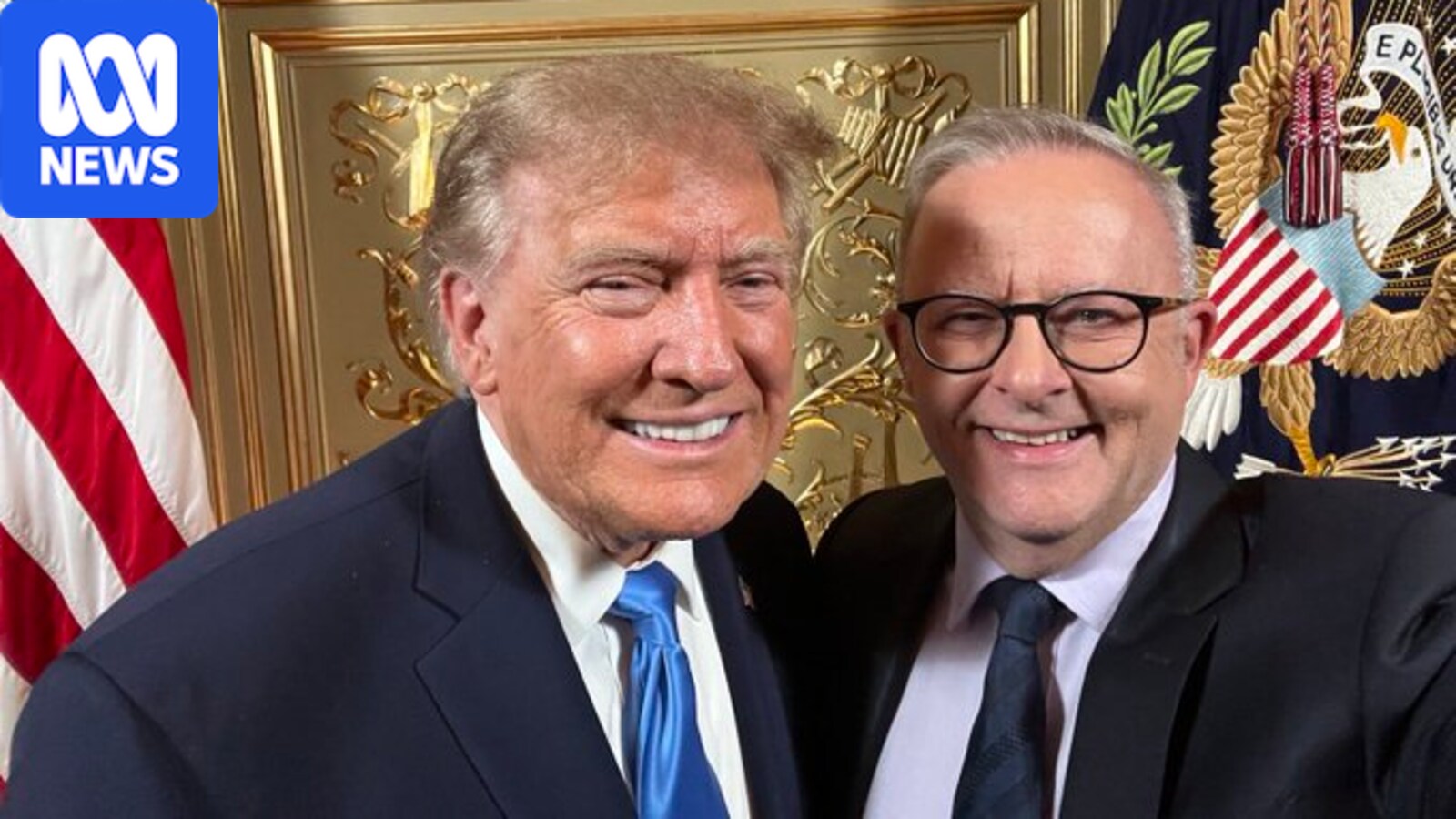
Albanese faces stark choice if Trump escalates Iran war
Albanese faces stark choice if Trump escalates Iran war

Brazil election: Lula, Bolsonaro cast votes in final bout
Brazil election: Lula, Bolsonaro cast votes in final bout
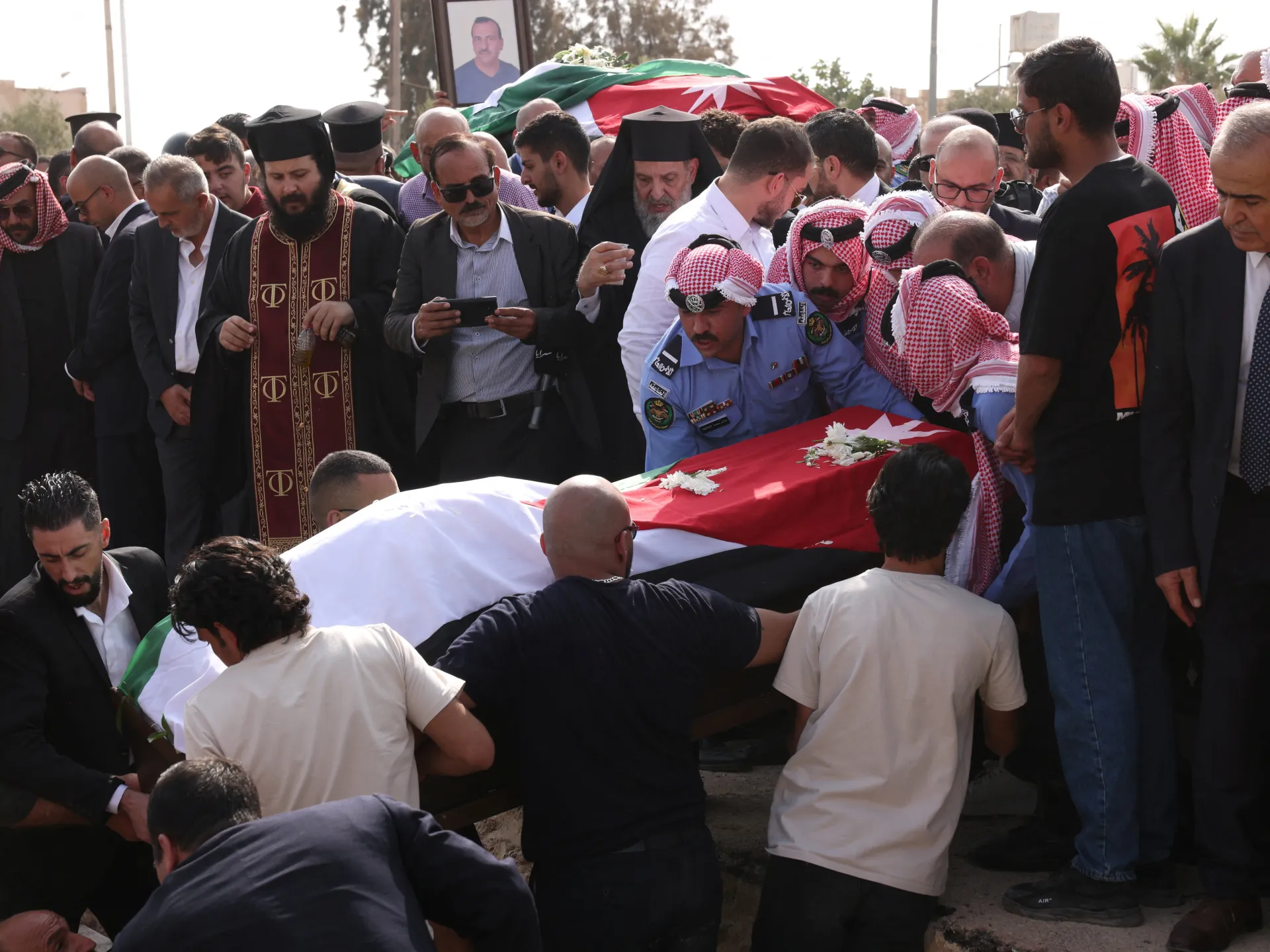
Thousands mourn victims of deadly Jordan church attack
Thousands of mourners gather for the funerals of eight victims of a deadly church attack in southern Jordan.