
Grattan Institute Report Urges Revocation of Medicare Subsidies for High-Charging Specialists
A new policy brief proposes revoking Medicare subsidies for a small minority of medical specialists charging excessive fees, as costs drive hundreds of thousands of Australians to skip care.

A new policy brief proposes revoking Medicare subsidies for a small minority of medical specialists charging excessive fees, as costs drive hundreds of thousands of Australians to skip care.
The story
A policy brief published on Monday by the independent think tank Grattan Institute has proposed that medical specialists who engage in overcharging should have their Medicare subsidies revoked. According to the report, soaring specialist fees are causing more than 800,000 Australians to skip or delay medical care annually due to financial barriers.
The research found that specialist fees are increasing significantly faster than inflation. The report noted that the top five per cent of psychiatrists charge a median out-of-pocket fee of $669 for an initial consultation. Furthermore, some specialists were found to charge more than three times the established Medicare fee schedule.
Peter Breadon, the health program director at the Grattan Institute and a co-author of the report alongside Mia Jessurun and Thomas Shortridge, stated that providing additional government funding would not prevent certain specialists from taking financial advantage. Instead, the authors argued that a small minority of doctors should be compelled to repay the value of their Medicare funding annually.
A closer look
The researchers examined the impact of Medicare rebate indexation, concluding that slow rebate adjustments were not the primary driver behind the rapid increase in specialist fees. While rebates have fallen by $9 in real terms since 2012, practitioner fees have risen by $37 in real terms over the same timeframe, outpacing the rebate decline by more than four times.
Alongside subsidy restrictions, the report called for broader structural reforms, including the development of public clinics, increased support for general practitioners to deliver more care, and expanded training programs for specialists. Mr Breadon acknowledged that while these comprehensive reforms are necessary, they will take years to implement, leaving patients facing rising costs in the interim.
This report presents the named publisher’s account and has not yet been independently corroborated.
Continue reading
Politics desk ↗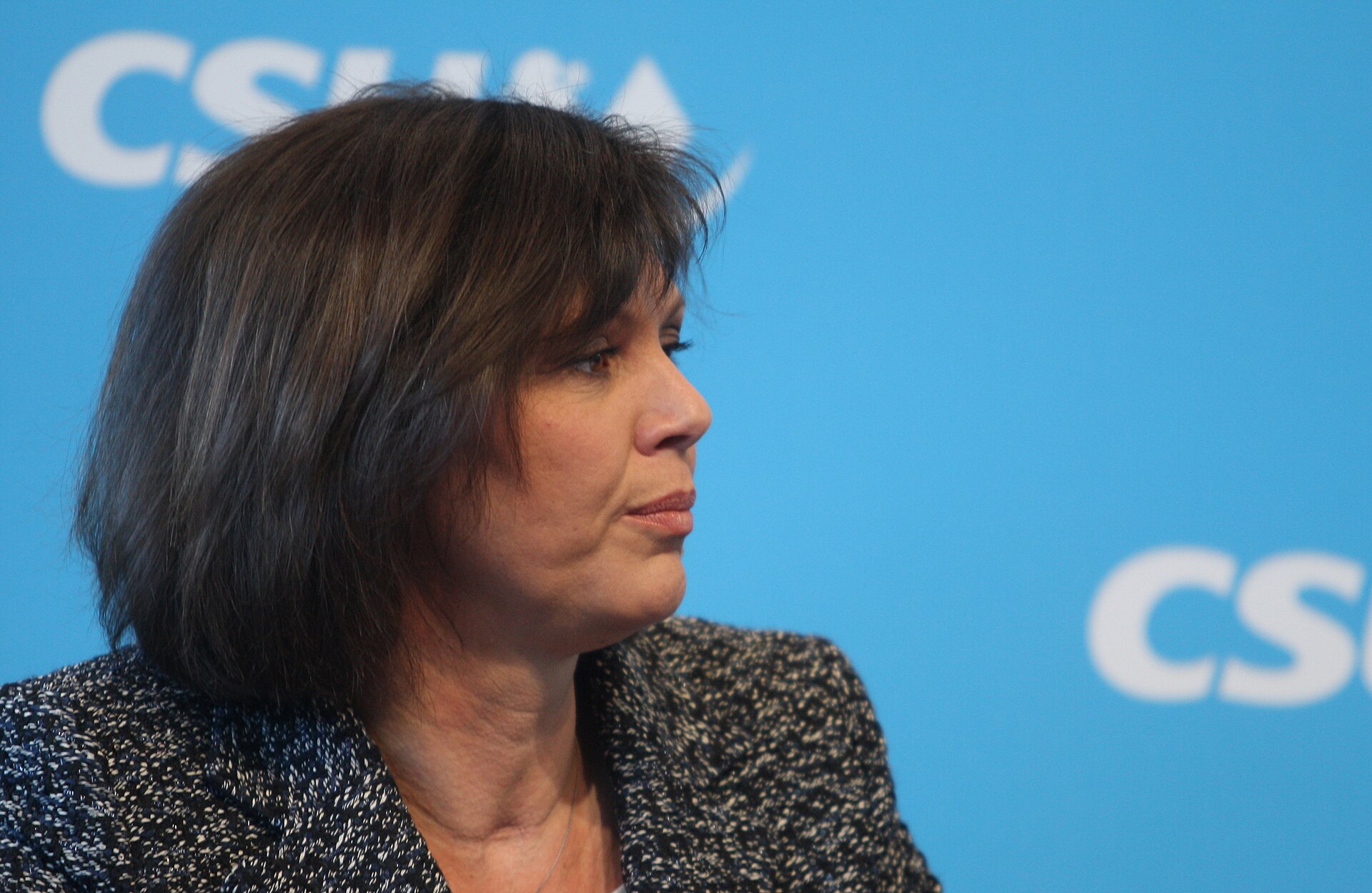
German Chancellor Merz Selects Ilse Aigner as Presidential Nominee
German Chancellor Friedrich Merz has announced plans to nominate Ilse Aigner for the country's presidency, a decision that would position her as Germany's first female head of state.

Nvidia Board Launches Inquiry Following Reports Regarding CEO Jensen Huang
Nvidia has announced an investigation into reports that Chief Executive Jensen Huang was the target of a foreign intelligence operation, following disclosures regarding a personal relationship.

UK Government Evaluates Extension of Under-16 Restrictions to Online Marketplaces
Culture Secretary Lisa Nandy confirms officials are examining whether to include second-hand retail platforms in upcoming youth platform restrictions.