
Two Spanish high‑speed trains collide after signalling error forces one to move forward
A computer failure in the automatic signalling system led to a rear‑end collision between a Renfe service and a privately‑operated Iryo train near Mora and Orgaz, injuring passengers on both trains.
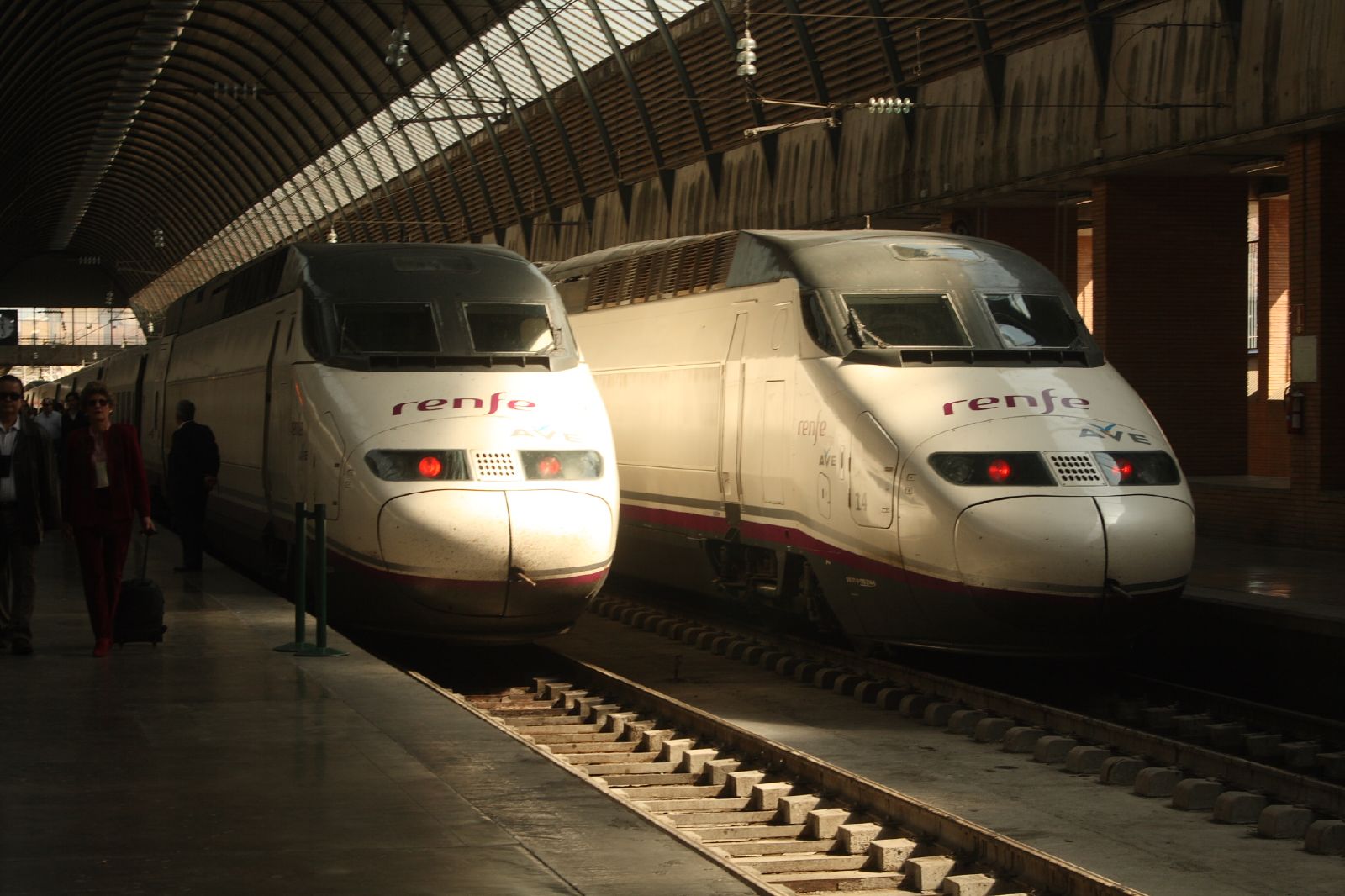
A computer failure in the automatic signalling system led to a rear‑end collision between a Renfe service and a privately‑operated Iryo train near Mora and Orgaz, injuring passengers on both trains.
The story
On the morning of 8 April, two high‑speed trains travelling south from Madrid to Seville were involved in a rear‑end collision on the same line about 140 km (87 miles) south of the capital, between the municipalities of Mora and Orgaz. The state‑owned Renfe service was carrying 397 passengers, while the privately‑run Iryo train ahead of it had 147 passengers on board.
According to the BBC, a computer failure in the automatic signalling system forced all trains on the affected stretch to halt at approximately 08:30 local time (07:30 GMT). After a brief stop, the Renfe train was ordered to proceed despite the ongoing signalling issue, a decision described by Spain’s transport minister Óscar Puente as an "error" that led to the crash.
Survivors recounted the moments before the impact.
Survivors recounted the moments before the impact. Tangui Binier, a 22‑year‑old passenger on the Iryo train, said the train began to speed up a few minutes after stopping, then halted abruptly as wires fell and smoke appeared behind the carriage. Journalist Roberto Gómez, who was on the Renfe train, reported that his train resumed movement a short distance away before the collision occurred at 08:36, roughly 17 minutes after the initial stop order.
The collision caused passengers to be thrown from their seats, with many reporting injuries ranging from minor bruises to more serious trauma. Emergency services responded to the scene, and the line was closed for several hours while investigators examined the signalling malfunction and the sequence of orders that led to the accident.
This report presents the named publisher’s account and has not yet been independently corroborated.
Continue reading
World desk ↗
South Carolina police close local probe into Hayden Panettiere’s accidental overdose
Greenville authorities say the investigation is finished after a coroner ruled the actress’s death accidental; federal inquiries may still be ongoing.

Swiss captain Xhaka and striker Embolo cleared to rejoin national team after legal resolution of forged vaccine certificate cases
The Swiss Football Association announced that Granit Xhaka and Breel Embolo are eligible for selection for the November Nations League fixtures following the completion of legal proceedings related to the use of falsified COVID‑19 vaccination documents.
Three Alexander brothers receive 30‑year sentences for sex‑trafficking convictions
U.S. District Judge Valerie Caproni sentenced Oren, Alon and Tal Alexander to 30 years in prison after a federal trial found them guilty of drugging and raping dozens of women.