Anderson stops short of retiring after Lancashire exit
England's all-time leading wicket-taker James Anderson has expressed sadness at being released by Lancashire, but stopped short of confirming the end of his playing career.
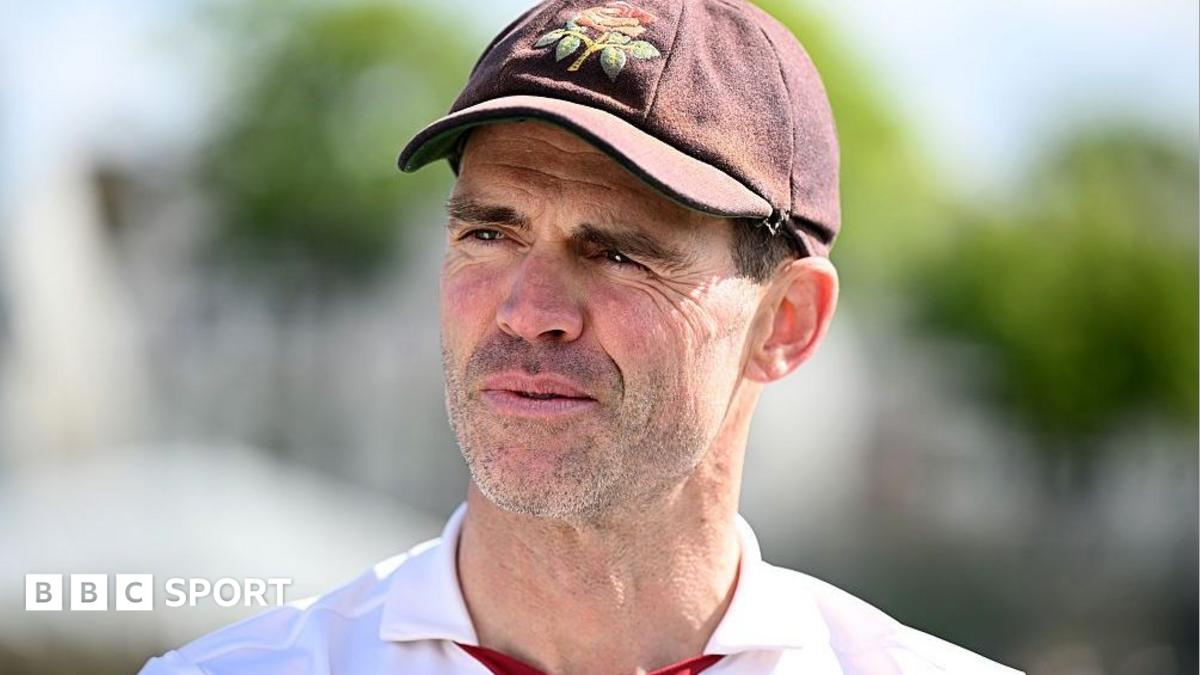
England's all-time leading wicket-taker James Anderson has expressed sadness at being released by Lancashire, but stopped short of confirming the end of his playing career.
The full report
James Anderson has expressed sadness at being released by Lancashire, but stopped short of confirming the end of his legendary playing career, according to a statement from the county. Anderson, England's all-time leading wicket-taker, was informed by Lancashire last Monday that he will not be offered a new contract by the county he first represented in 2001.
Anderson, 44, wrote on Instagram: "If it was up to me it wouldn't have ended like this, but I wish the players and fans all the best for the future." Despite turning 45 next year, Anderson had planned to play in the summer of 2027. Following news of his exit from Old Trafford, BBC Sport learned other counties would be interested in signing the seam bowler.
Lancashire released their first statement about Anderson's exit, explaining their decision. The Red Rose finished second-bottom in Division Two of the County Championship last season and have appointed Richard Kenyon as their new chief executive and Paul Farbrace as director of cricket. Farbrace said the county are looking to "rebuild", with the goal of challenging to win the County Championship within three or four years, by which time Anderson will be in his late 40s.
Anderson first played List A cricket in 2000 as a 17-year-old for the Lancashire Cricket Board against Suffolk. He made his professional debut for Lancashire a year later and was in the England team by the end of 2002.
This report presents the named publisher’s account and has not yet been independently corroborated.
Continue reading
Sport desk ↗
Michael Carrick on the brink after Manchester United are humiliated by Bournemouth
Manchester United's Michael Carrick faces the axe after a humiliating defeat to Bournemouth, with the team's lack of cohesion and imagination leaving their survival in the Premier League in doubt.
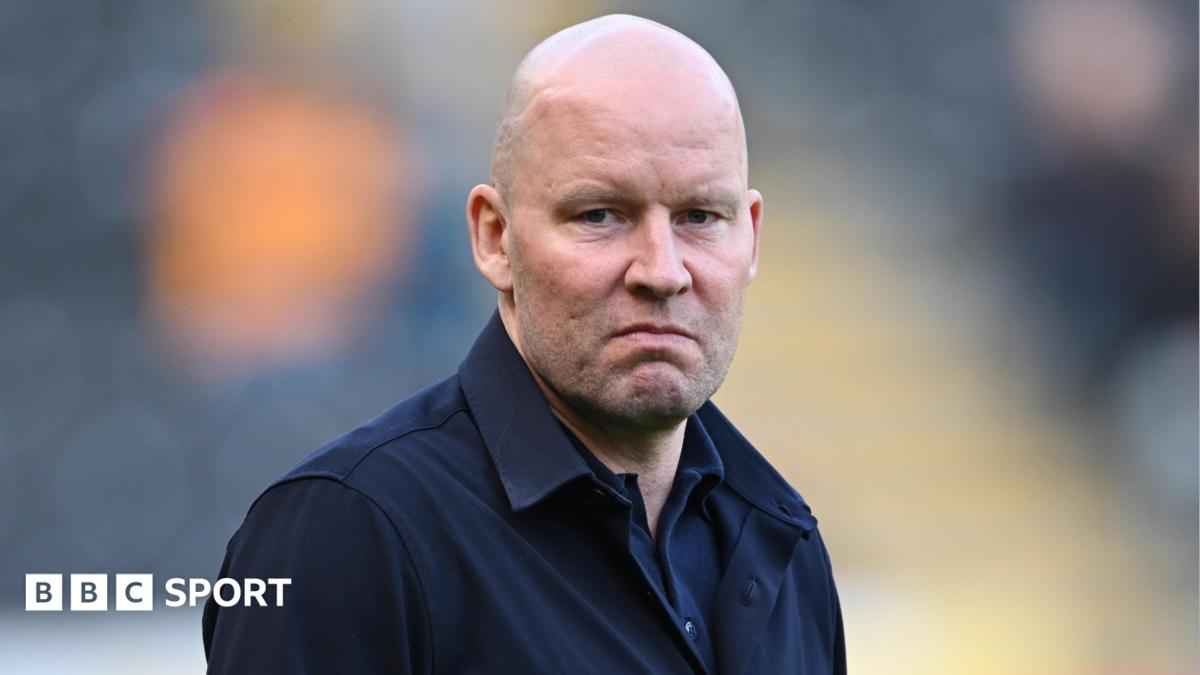
Sheffield Wednesday sack Pedersen after 15 months
Sheffield Wednesday sack head coach Henrik Pedersen after less than 15 months in charge.

Fastest pitch in World Series history as Brewers win opener
Milwaukee Brewers win World Series opener with Jacob Misiorowski's record-breaking pitch