
Prime Minister Rules Out Core Service Cuts Amid Budget Pressures
Anthony Albanese has defended government spending plans as inflation accelerates and economic pressures mount ahead of the mid-year budget update.
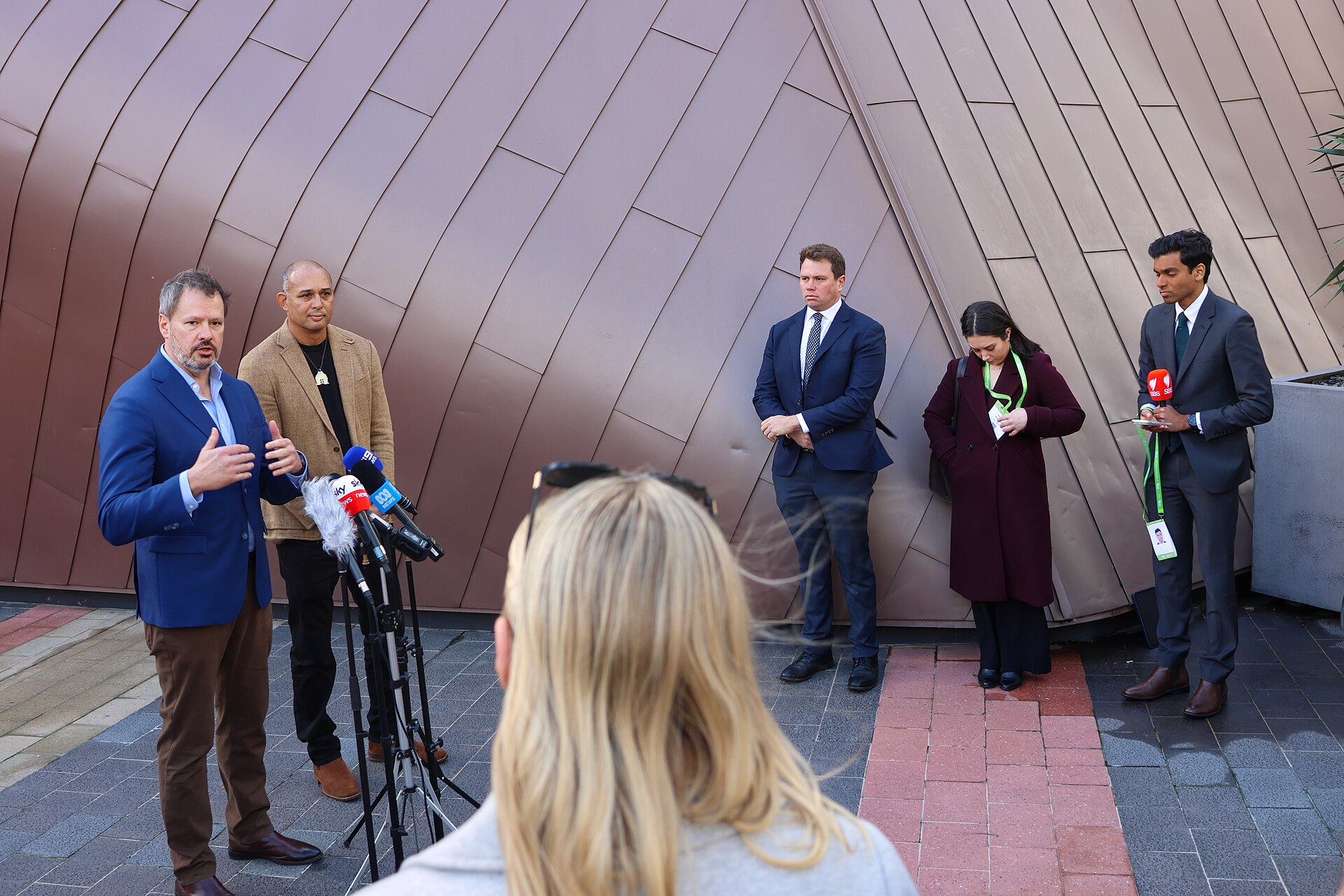
Anthony Albanese has defended government spending plans as inflation accelerates and economic pressures mount ahead of the mid-year budget update.
The story
Prime Minister Anthony Albanese has ruled out major reductions to health, education, and essential services in the upcoming mid-year budget update in December. However, he acknowledged that government savings are necessary as the administration attempts to address accelerating inflation.
The remarks follow an increase in Australia's headline inflation rate to 4.3%, which has raised expectations that the Reserve Bank may implement its fifth interest rate increase of the year. The cash rate currently stands at 4.6% following four rate hikes in 2026, reaching its highest level in 15 years.
Internal pressure within the Labor Party has grown amid these economic conditions. Former industry minister Ed Husic recently called for price controls on essential grocery items, advocating for caps on the costs of bread, milk, meat, and fresh produce. Privately, Labor members have noted that another potential interest rate rise would compound the government's political challenges regarding the cost of living.
A closer look
Opposition critics and business figures have faulted the administration for its level of government spending. In response, Albanese stated that the government understands community frustration and is actively reviewing operations to find appropriate savings ahead of the December budget update, while criticizing past Coalition spending cuts to public services.
Treasurer Jim Chalmers attributed the rise in inflation primarily to a global fuel shock driven by the conflict involving the United States, Israel, and Iran. According to official figures, transport costs have risen by 8.7% over the past 12 months, while food prices have increased by 3.2% and housing costs have grown by 5.2%.
This report presents the named publisher’s account and has not yet been independently corroborated.
Continue reading
Politics desk ↗
One Nation Declines Additional Parliamentary Staffer Amid Prime Ministerial Resource Dispute
A newly elected One Nation parliamentarian has turned down an unsolicited offer for an extra staff member, prompting party leader Pauline Hanson to criticise the allocation system.

Spain Begins Three Days of Mourning Following Deadly High-Speed Train Collision
A high-speed train collision in central Spain has left at least 68 people dead and dozens injured, prompting three days of national mourning and an official investigation into safety protocols.

Former British Prime Minister Faces Severe Criticism Upon Release of New Book
Reviewers and political figures have united in harsh criticism of Liz Truss following the publication of her second book concerning her brief tenure in office.